



Je cadeautjes zeker op tijd in huis hebben voor de feestdagen? Kom langs in onze winkels en vind het perfecte geschenk!
- Afhalen na 1 uur in een winkel met voorraad
- Gratis thuislevering in België vanaf € 30
- Ruim aanbod met 7 miljoen producten
Je cadeautjes zeker op tijd in huis hebben voor de feestdagen? Kom langs in onze winkels en vind het perfecte geschenk!
- Afhalen na 1 uur in een winkel met voorraad
- Gratis thuislevering in België vanaf € 30
- Ruim aanbod met 7 miljoen producten





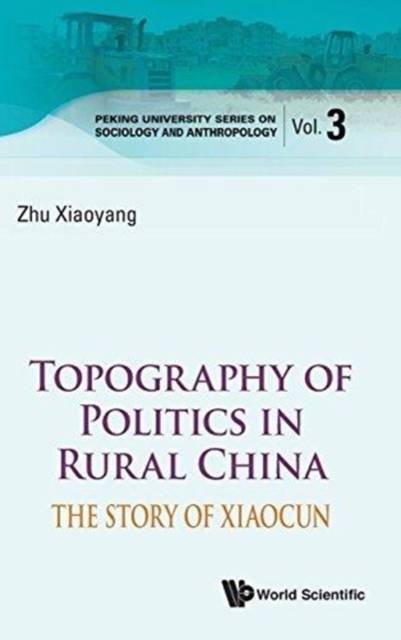
Omschrijving
Contemporary Chinese rural life is placed in sharp theoretical and practical focus in this book. State-of-the-art techniques and perspectives are combined to take the reader into Xiaocun, a small village on the east bank of the Dianchi Lake in Kunming City.In 2003, the author published the book Crime and Punishment: The Story of Xiaocun (1931-1997), which dealt with disputes, mediation and punishment in the village following the legal anthropology tradition. At that time, neither the villagers nor the author foresaw the vast changes that were to appear a few years later. Their main economic activity then was growing vegetables and flowers; urbanisation was tsunami-like in its speed and impact. Land requisition for urban development was so swift that five years later, in 2008, there was no farmland left. Instead, there were many landmark real estate and development projects. Xiaocun has become the centre of an enlarged Kunming City. Observers, including the Xiaocun residents, are unavoidably shocked at the changes to the physical landscape in the wake of its rapid urbanisation.This book, Topography of Politics in Rural China: The Story of Xiaocun, reports the author's revisits to the village starting in early 2007. In the past few years of research on this village, the author deeply felt that the problems that make people passionate are fully exposed through issues surrounding land and housing. Well written in narrative, this book tells the story of Xiaocun in this new century from the perspective of topography, exploring the peasantry and its relations to the state in more fundamental terms.
Specificaties
Betrokkenen
- Auteur(s):
- Uitgeverij:
Inhoud
- Aantal bladzijden:
- 288
- Taal:
- Engels
- Reeks:
- Reeksnummer:
- nr. 3
Eigenschappen
- Productcode (EAN):
- 9789814522700
- Verschijningsdatum:
- 5/11/2014
- Uitvoering:
- Hardcover
- Formaat:
- Genaaid
- Afmetingen:
- 157 mm x 231 mm
- Gewicht:
- 566 g


Alleen bij Standaard Boekhandel
+ 317 punten op je klantenkaart van Standaard Boekhandel
CADEAU


Beoordelingen
We publiceren alleen reviews die voldoen aan de voorwaarden voor reviews. Bekijk onze voorwaarden voor reviews.