


- Afhalen na 1 uur in een winkel met voorraad
- Gratis thuislevering in België vanaf € 30
- Ruim aanbod met 7 miljoen producten
- Afhalen na 1 uur in een winkel met voorraad
- Gratis thuislevering in België vanaf € 30
- Ruim aanbod met 7 miljoen producten





€ 29,95
+ 59 punten
Omschrijving
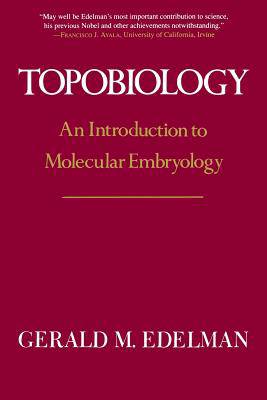
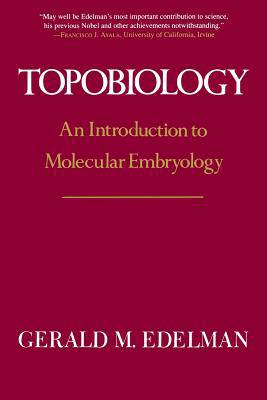
If you had a complete copy of a dinosaur's DNA and the genetic code, you still would not be able to make a dinosaur--or even determine what one looked like. Why? How do animals get their shape and how does shape evolve? In this important book, Nobel laureate Gerald M. Edelman challenges the notion that an understanding of the genetic code and of cell differentiation is sufficient to answer these questions. Rather, he argues, a trio of related issues must also be investigated--the development of form, the evolution of form, and the morphological and functional bases of behavior. Topobiology presents an introduction to molecular embryology and describes a comprehensive hypothesis to account for the evolution and development of animal form.
Specificaties
Betrokkenen
- Auteur(s):
- Uitgeverij:
Inhoud
- Aantal bladzijden:
- 256
- Taal:
- Engels
Eigenschappen
- Productcode (EAN):
- 9780465086535
- Verschijningsdatum:
- 01/06/1993
- Uitvoering:
- Paperback
- Formaat:
- Trade paperback (VS)
- Afmetingen:
- 156 mm x 235 mm
- Gewicht:
- 294 g


Alleen bij Standaard Boekhandel
+ 59 punten op je klantenkaart van Standaard Boekhandel
Cadeau

AANGERADEN


Beoordelingen
We publiceren alleen reviews die voldoen aan de voorwaarden voor reviews. Bekijk onze voorwaarden voor reviews.