


- Afhalen na 1 uur in een winkel met voorraad
- Gratis thuislevering in België vanaf € 30
- Ruim aanbod met 7 miljoen producten
- Afhalen na 1 uur in een winkel met voorraad
- Gratis thuislevering in België vanaf € 30
- Ruim aanbod met 7 miljoen producten





€ 24,95
+ 49 punten
Omschrijving
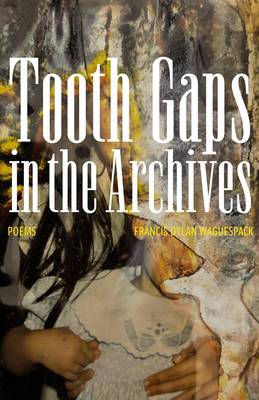
Set in Southeast Louisiana--one of the last regions in the contemporary United States to resist full Americanization--Tooth Gaps in the Archives traces how place-based cultural memory persists beyond its disappearing geography and amid a cycle of forced migration, an emerging domestic climate diaspora, and the slow violence enacted against a people whose power has been systematically withheld through regulatory capture. In Tooth Gaps, Louisiana is not rendered as the unlucky exception or a site of tragedy, but as a resource extraction colony, its people asked to disappear quietly to facilitate the commodification and consumption of their land, labor, and culture.
Moving between lyric poems and documentary prose, Tooth Gaps drops the reader directly into the speaker's interior and exterior worlds without mediation, creating an immersive, embodied experience that refuses abstraction and distance. From the very first to the very last page, it insists on the body as archive and frames the very existence of the people of Louisiana as an act of resistance.
Moving between lyric poems and documentary prose, Tooth Gaps drops the reader directly into the speaker's interior and exterior worlds without mediation, creating an immersive, embodied experience that refuses abstraction and distance. From the very first to the very last page, it insists on the body as archive and frames the very existence of the people of Louisiana as an act of resistance.
Specificaties
Betrokkenen
- Auteur(s):
- Uitgeverij:
Inhoud
- Aantal bladzijden:
- 88
- Taal:
- Engels
- Reeks:
Eigenschappen
- Productcode (EAN):
- 9781638341505
- Verschijningsdatum:
- 1/09/2026
- Uitvoering:
- Paperback
- Formaat:
- Trade paperback (VS)
- Afmetingen:
- 140 mm x 1029 mm
- Gewicht:
- 113 g


Alleen bij Standaard Boekhandel
+ 49 punten op je klantenkaart van Standaard Boekhandel
Cadeau

AANGERADEN


Beoordelingen
We publiceren alleen reviews die voldoen aan de voorwaarden voor reviews. Bekijk onze voorwaarden voor reviews.