


- Afhalen na 1 uur in een winkel met voorraad
- Gratis thuislevering in België vanaf € 30
- Ruim aanbod met 7 miljoen producten
- Afhalen na 1 uur in een winkel met voorraad
- Gratis thuislevering in België vanaf € 30
- Ruim aanbod met 7 miljoen producten





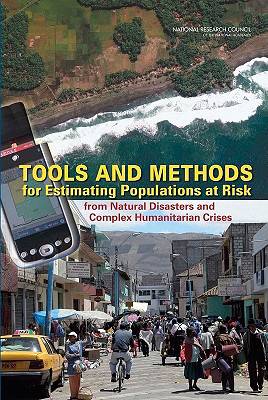
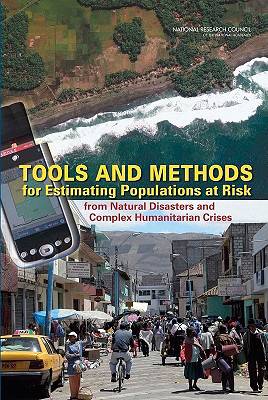
Tools and Methods for Estimating Populations at Risk
From Natural Disasters and Complex Humanitarian Crises
National Research Council, Division of Behavioral and Social Sciences and Education, Committee on Population, Division on Earth and Life Studies, Board on Earth Sciences and Resources, Committee on the Effective Use of Data Methodologies and Technol
€ 103,95
+ 207 punten
Omschrijving
Worldwide, millions of people are displaced annually because of natural or industrial disasters or social upheaval. Reliable data on the numbers, characteristics, and locations of these populations can bolster humanitarian relief efforts and recovery programs. Using sound methods for estimating population numbers and characteristics is important for both industrialized and developing nations. Ensuring that the data are geographically referenced for projection onto maps is essential. However, good data alone are insufficient. Adequate staff training and strong organizational and political desire to maintain and use the information are also required. Tools and Methods for Estimating Populations at Risk from Natural Disasters and Complex Humanitarian Crises, reviews the main methods and tools for making estimates of subnational populations and makes several recommendations to improve the collection and the use of population data for emergency response and development.
Specificaties
Betrokkenen
- Auteur(s):
- Uitgeverij:
Inhoud
- Aantal bladzijden:
- 264
- Taal:
- Engels
- Reeks:
Eigenschappen
- Productcode (EAN):
- 9780309103541
- Verschijningsdatum:
- 1/07/2007
- Uitvoering:
- Paperback
- Formaat:
- Trade paperback (VS)
- Afmetingen:
- 156 mm x 226 mm
- Gewicht:
- 512 g


Alleen bij Standaard Boekhandel
+ 207 punten op je klantenkaart van Standaard Boekhandel
Cadeau

AANGERADEN


Beoordelingen
We publiceren alleen reviews die voldoen aan de voorwaarden voor reviews. Bekijk onze voorwaarden voor reviews.