


- Afhalen na 1 uur in een winkel met voorraad
- Gratis thuislevering in België vanaf € 30
- Ruim aanbod met 7 miljoen producten
- Afhalen na 1 uur in een winkel met voorraad
- Gratis thuislevering in België vanaf € 30
- Ruim aanbod met 7 miljoen producten




Omschrijving
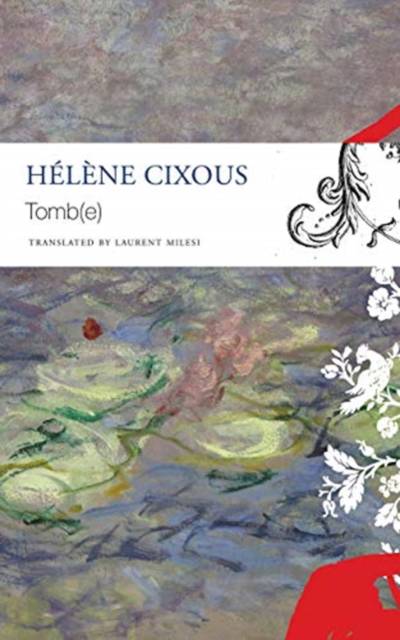
"In 1968-69 I wanted to die, that is to say, stop living, being killed, but it was blocked on all sides," wrote Hélène Cixous, esteemed French feminist, playwright, philosopher, literary critic, and novelist. Instead of suicide, she began to dream of writing a tomb for herself. This tomb became a work that is a testament to Cixous's life and spirit and a secret book, the first book she ever authored. Originally written in 1970, Tombe is a Homerian recasting of Shakespeare's Venus and Adonis in the thickets of Central Park, a book Cixous provocatively calls the "all-powerful-other of all my books, it sparks them off, makes them run, it is their Messiah." Masterfully translated by Laurent Milesi, Tombe preserves the sonic complexities and intricate wordplay at the core of Cixous's writing, and reveals the struggles, ideas, and intents at the center of her work. With a new prologue by the author, this is a necessary document in the development of Cixous's aesthetic as a writer and theorist, and will be eagerly welcomed by readers as a crucial building block in the foundation of her later work.
Specificaties
Betrokkenen
- Auteur(s):
- Vertaler(s):
- Uitgeverij:
Inhoud
- Aantal bladzijden:
- 256
- Taal:
- Engels
- Reeks:
Eigenschappen
- Productcode (EAN):
- 9780857427540
- Verschijningsdatum:
- 5/03/2020
- Uitvoering:
- Paperback
- Formaat:
- Trade paperback (VS)
- Afmetingen:
- 127 mm x 203 mm
- Gewicht:
- 249 g


Alleen bij Standaard Boekhandel
+ 41 punten op je klantenkaart van Standaard Boekhandel

Beoordelingen
We publiceren alleen reviews die voldoen aan de voorwaarden voor reviews. Bekijk onze voorwaarden voor reviews.