


- Afhalen na 1 uur in een winkel met voorraad
- Gratis thuislevering in België vanaf € 30
- Ruim aanbod met 7 miljoen producten
- Afhalen na 1 uur in een winkel met voorraad
- Gratis thuislevering in België vanaf € 30
- Ruim aanbod met 7 miljoen producten





€ 191,95
+ 383 punten
Omschrijving
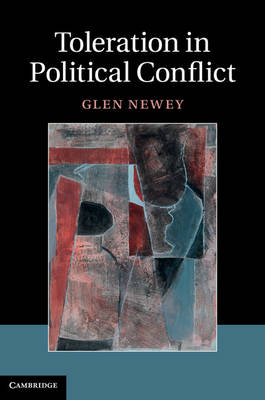
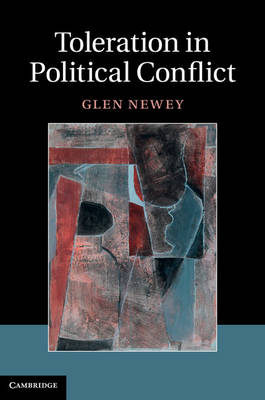
Political disputes over toleration are endemic, while toleration as a political value seems opposed to those of civic equality, neutrality and sometimes democracy. 'Toleration in Political Conflict' sets out to understand toleration as both politically awkward and indispensable. The book exposes the incoherence of Rawlsian reasonable pluralist justifications of toleration, and shows that toleration cannot be fully reconciled with liberal political values. While raison d'état concerns very often overshadow debates over toleration, these debates - for example about terrorism - need not be framed as a conflict between toleration and security. Framing them in this way tends to obscure objectionable behaviour by tolerators themselves, and their reliance on asymmetric power. Glen Newey concludes by sketching a picture of politics as dependent on free speech which, he argues, is entailed by the demands of free association. That in turn suggests that questions of toleration are inescapable within the conditions of politics itself.
Specificaties
Betrokkenen
- Auteur(s):
- Uitgeverij:
Inhoud
- Aantal bladzijden:
- 234
- Taal:
- Engels
Eigenschappen
- Productcode (EAN):
- 9781107040328
- Verschijningsdatum:
- 3/10/2013
- Uitvoering:
- Hardcover
- Formaat:
- Genaaid
- Afmetingen:
- 150 mm x 231 mm
- Gewicht:
- 476 g


Alleen bij Standaard Boekhandel
+ 383 punten op je klantenkaart van Standaard Boekhandel
Cadeau

AANGERADEN


Beoordelingen
We publiceren alleen reviews die voldoen aan de voorwaarden voor reviews. Bekijk onze voorwaarden voor reviews.