


- Afhalen na 1 uur in een winkel met voorraad
- Gratis thuislevering in België vanaf € 30
- Ruim aanbod met 7 miljoen producten
- Afhalen na 1 uur in een winkel met voorraad
- Gratis thuislevering in België vanaf € 30
- Ruim aanbod met 7 miljoen producten





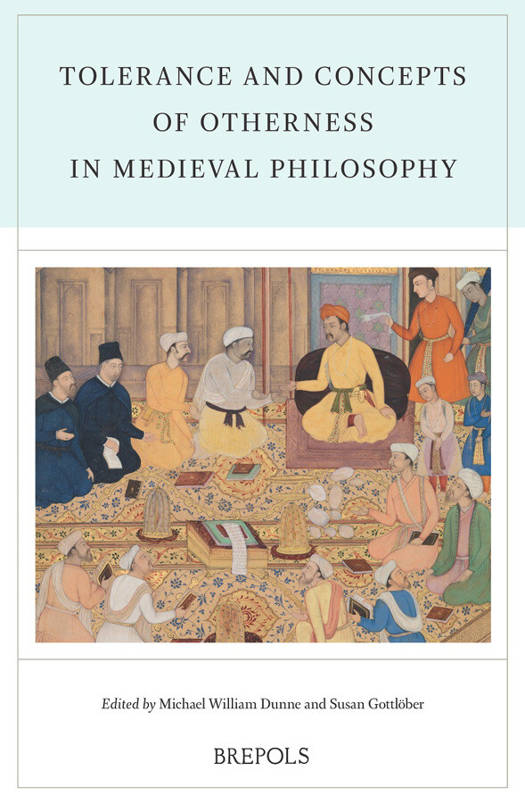
Tolerance and Concepts of Otherness in Medieval Philosophy
Michael William Dunne
€ 84,80
+ 169 punten
Omschrijving
The proceedings of the S.I.E.P.M. Colloquium at Maynooth published in this volume shed new light on the development of the perception of the other within the different philosophical, religious, and cultural traditions in the late Middle Ages as well as the early modern era in both Christian and Islamic thought. The contributions consider not only the theological background but also the philosophical presuppositions of the concepts which were used to develop various apologetic writings and theological treatises that dealt with questions of cultural and religious difference. The rich and diverse medieval and early modern tradition of engaging with the other and the arguments for or against toleration on topics that are equally diverse are discussed with reference to both the Western and Eastern Christian tradition, to the contributions of Islamic Thinkers on the topic, and to the flourishing tradition of a constructed interreligious dialogue such as that between Christians and Jews. Finally, this book includes a number of important investigations exploring the relationship between toleration and rights not only within Europe but also in the lands of the so-called new world and its indigenous peoples where arguments of exclusion were grounded intheories such as grace-based dominium.
Specificaties
Betrokkenen
- Auteur(s):
- Uitgeverij:
Inhoud
- Aantal bladzijden:
- 448
- Taal:
- Frans
- Reeks:
- Reeksnummer:
- nr. 25
Eigenschappen
- Productcode (EAN):
- 9782503600413
- Verschijningsdatum:
- 17/08/2022
- Uitvoering:
- Hardcover
- Formaat:
- Genaaid
- Afmetingen:
- 155 mm x 233 mm
- Gewicht:
- 3896 g



Alleen bij Standaard Boekhandel
+ 169 punten op je klantenkaart van Standaard Boekhandel
Cadeau

AANGERADEN


Beoordelingen
We publiceren alleen reviews die voldoen aan de voorwaarden voor reviews. Bekijk onze voorwaarden voor reviews.