


- Afhalen na 1 uur in een winkel met voorraad
- Gratis thuislevering in België vanaf € 30
- Ruim aanbod met 7 miljoen producten
- Afhalen na 1 uur in een winkel met voorraad
- Gratis thuislevering in België vanaf € 30
- Ruim aanbod met 7 miljoen producten





€ 19,00
+ 19 punten
Omschrijving
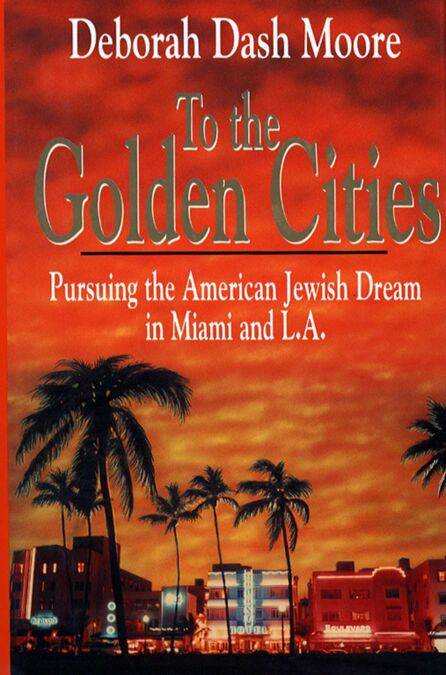
The first great modern migration of Jewish people from the Old World to America has been often and expertly chronicled, but until now the second great wave of Jewish migration has been overlooked. After World War II, spurred by a postwar economic boom, American Jews sought new beginnings in the nation’s South and West. Thousands abandoned their previous homes in the urban, industrial centers of the North and moved to Miami and Los Angeles seeking warmth, opportunity, and ultimately a new Jewish community—one unlike any they had every known. This move turned out to be as significant as their ancestors’ departure from their traditional worlds.
Earlier Jewish immigrants to the New World had sought to fit into the well-established communities they found in the North, but Miami and LA were frontier towns with few rules for newcomers. Jews could establish new economic niches in the hotel and real estate industries, and build new schools, political organizations, and community centers to reshape the cities’ ethnic landscapes. Drawing upon rich and extensive research, historian Deborah Dash Moore traces the evolution of a new consensus on the boundaries of Jewish life and what it means to be Jewish.
Most American Jews have families or friends who have chosen to live in these urban paradises. Many others have visited or vacationed under their palm trees. Now the vibrant Jewish culture of these cities comes to life through Moore’s skillful weaving of individual voices, dreams, and accomplishments. To the Golden Cities is an epic saga of an essential moment in American Jewish history, the shaping of a new postwar Judaism for the second half of the twentieth century.
Earlier Jewish immigrants to the New World had sought to fit into the well-established communities they found in the North, but Miami and LA were frontier towns with few rules for newcomers. Jews could establish new economic niches in the hotel and real estate industries, and build new schools, political organizations, and community centers to reshape the cities’ ethnic landscapes. Drawing upon rich and extensive research, historian Deborah Dash Moore traces the evolution of a new consensus on the boundaries of Jewish life and what it means to be Jewish.
Most American Jews have families or friends who have chosen to live in these urban paradises. Many others have visited or vacationed under their palm trees. Now the vibrant Jewish culture of these cities comes to life through Moore’s skillful weaving of individual voices, dreams, and accomplishments. To the Golden Cities is an epic saga of an essential moment in American Jewish history, the shaping of a new postwar Judaism for the second half of the twentieth century.
Specificaties
Betrokkenen
- Auteur(s):
- Uitgeverij:
Inhoud
- Aantal bladzijden:
- 358
- Taal:
- Engels
Eigenschappen
- Productcode (EAN):
- 9781439106075
- Verschijningsdatum:
- 13/03/1994
- Uitvoering:
- E-book
- Beveiligd met:
- Adobe DRM
- Formaat:
- ePub


Alleen bij Standaard Boekhandel
+ 19 punten op je klantenkaart van Standaard Boekhandel
Cadeau

AANGERADEN


Beoordelingen
We publiceren alleen reviews die voldoen aan de voorwaarden voor reviews. Bekijk onze voorwaarden voor reviews.