


- Afhalen na 1 uur in een winkel met voorraad
- Gratis thuislevering in België vanaf € 30
- Ruim aanbod met 7 miljoen producten
- Afhalen na 1 uur in een winkel met voorraad
- Gratis thuislevering in België vanaf € 30
- Ruim aanbod met 7 miljoen producten





€ 30,95
+ 61 punten
Omschrijving
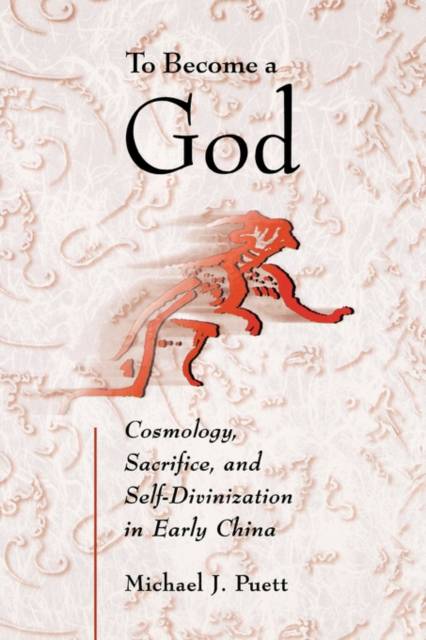
Evidence from Shang oracle bones to memorials submitted to Western Han emperors attests to a long-lasting debate in early China over the proper relationship between humans and gods. One pole of the debate saw the human and divine realms as separate and agonistic and encouraged divination to determine the will of the gods and sacrifices to appease and influence them. The opposite pole saw the two realms as related and claimed that humans could achieve divinity and thus control the cosmos. This wide-ranging book reconstructs this debate and places within their contemporary contexts the rival claims concerning the nature of the cosmos and the spirits, the proper demarcation between the human and the divine realms, and the types of power that humans and spirits can exercise. It is often claimed that the worldview of early China was unproblematically monistic and that hence China had avoided the tensions between gods and humans found in the West. By treating the issues of cosmology, sacrifice, and self-divinization in a historical and comparative framework that attends to the contemporary significance of specific arguments, Michael J. Puett shows that the basic cosmological assumptions of ancient China were the subject of far more debate than is generally thought.
Specificaties
Betrokkenen
- Auteur(s):
- Uitgeverij:
Inhoud
- Aantal bladzijden:
- 384
- Taal:
- Engels
- Reeks:
- Reeksnummer:
- nr. 57
Eigenschappen
- Productcode (EAN):
- 9780674016439
- Verschijningsdatum:
- 1/05/2004
- Uitvoering:
- Paperback
- Formaat:
- Trade paperback (VS)
- Afmetingen:
- 152 mm x 227 mm
- Gewicht:
- 517 g


Alleen bij Standaard Boekhandel
+ 61 punten op je klantenkaart van Standaard Boekhandel
Cadeau

AANGERADEN


Beoordelingen
We publiceren alleen reviews die voldoen aan de voorwaarden voor reviews. Bekijk onze voorwaarden voor reviews.