



Bedankt voor het vertrouwen het afgelopen jaar! Om jou te bedanken bieden we GRATIS verzending (in België) aan op alles gedurende de hele maand januari.
- Afhalen na 1 uur in een winkel met voorraad
- In januari gratis thuislevering in België
- Ruim aanbod met 7 miljoen producten
Bedankt voor het vertrouwen het afgelopen jaar! Om jou te bedanken bieden we GRATIS verzending (in België) aan op alles gedurende de hele maand januari.
- Afhalen na 1 uur in een winkel met voorraad
- In januari gratis thuislevering in België
- Ruim aanbod met 7 miljoen producten





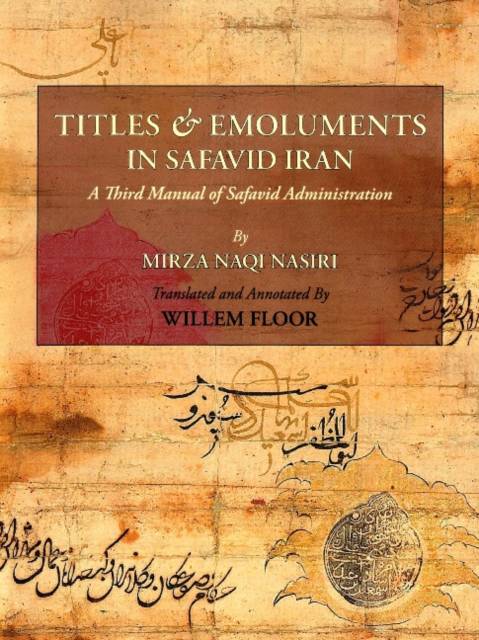
Titles and Emoluments in Safavid Iran
A Third Manual of Safavid Administration
Ali Naqi Nasiri, Mirza Naqi Nasiri
Paperback | Engels
€ 67,95
+ 135 punten
Omschrijving
Titles and Emoluments in Safavid Iran: A Third Manual of Safavid Administration contains unique and important information on offices, ethnic attitudes and administrative developments in Iran's Safavid government (1495-1720). It provides the official honorific title for each official (and the variations thereof), which shows the importance of these titles in the intricate structure of social and political standing among the power elite. The commentary's long database of all known administrative jurisdictions with names and dates of each of its governors gives us a more nuanced understanding of how the Safavid administration functioned, not only at the central level but also at the provincial one. This, together with a detailed index, allows the reader to find the names of individual governors and follow their careers. This book facilitates the analysis of power relations between the central and tribal interests as well as other groups, and the changes therein over time. It is an essential historical resource for all those interested in Iran's Safavid era.
Specificaties
Betrokkenen
- Auteur(s):
- Vertaler(s):
- Uitgeverij:
Inhoud
- Aantal bladzijden:
- 340
- Taal:
- Engels
Eigenschappen
- Productcode (EAN):
- 9781933823232
- Verschijningsdatum:
- 29/04/2008
- Uitvoering:
- Paperback
- Formaat:
- Trade paperback (VS)
- Afmetingen:
- 210 mm x 279 mm
- Gewicht:
- 766 g


Alleen bij Standaard Boekhandel
+ 135 punten op je klantenkaart van Standaard Boekhandel
SOLDEN


Beoordelingen
We publiceren alleen reviews die voldoen aan de voorwaarden voor reviews. Bekijk onze voorwaarden voor reviews.