


- Afhalen na 1 uur in een winkel met voorraad
- Gratis thuislevering in België vanaf € 30
- Ruim aanbod met 7 miljoen producten
- Afhalen na 1 uur in een winkel met voorraad
- Gratis thuislevering in België vanaf € 30
- Ruim aanbod met 7 miljoen producten





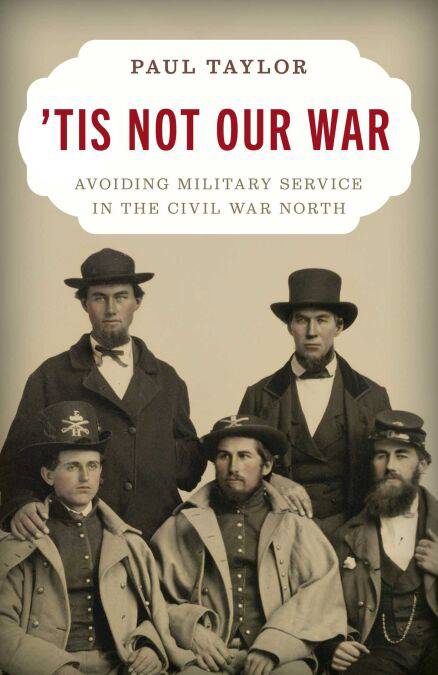
'Tis Not Our War E-BOOK
Avoiding Military Service in the Civil War North
Paul Taylor
E-book | Engels
€ 25,71
+ 25 punten
Uitvoering
Omschrijving
James McPherson’s classic book For Cause & Comrades explained “why men fought in the Civil War”—and spurred countless other historians to ask and attempt to answer the same question. But few have explored why men did not fight. That’s the question Paul Taylor answers in this groundbreaking Civil War history that examines the reasons why at least 60 percent of service-eligible men in the North chose not to serve and why, to some extent, their communities allowed them to do so. Did these other men not feel the same patriotic impulses as their fellow citizens who rushed to the enlistment office? Did they not believe in the sanctity of the Union? Was freeing men held in chains under chattel slavery not a righteous moral crusade? And why did some soldiers come to regret their enlistment and try to leave the military?
’Tis Not Our War answers these questions by focusing on the thoughts, opinions, and beliefs of average civilians and soldiers. Taylor digs deep into primary sources—newspapers, diaries, letters, archival manuscripts, military reports, and published memoirs—to paint a vivid and richly complex portrait of men who questioned military service in the Civil War and to show that the North was never as unified in support of the war as portrayed in much of America’s collective memory. This book adds to our understanding of the Civil War and the men who fought—and did not fight—in it.
’Tis Not Our War answers these questions by focusing on the thoughts, opinions, and beliefs of average civilians and soldiers. Taylor digs deep into primary sources—newspapers, diaries, letters, archival manuscripts, military reports, and published memoirs—to paint a vivid and richly complex portrait of men who questioned military service in the Civil War and to show that the North was never as unified in support of the war as portrayed in much of America’s collective memory. This book adds to our understanding of the Civil War and the men who fought—and did not fight—in it.
Specificaties
Betrokkenen
- Auteur(s):
- Uitgeverij:
Inhoud
- Aantal bladzijden:
- 456
- Taal:
- Engels
Eigenschappen
- Productcode (EAN):
- 9780811775397
- Verschijningsdatum:
- 17/06/2024
- Uitvoering:
- E-book
- Beveiligd met:
- Adobe DRM
- Formaat:
- ePub


Alleen bij Standaard Boekhandel
+ 25 punten op je klantenkaart van Standaard Boekhandel
Cadeau

AANGERADEN


Beoordelingen
We publiceren alleen reviews die voldoen aan de voorwaarden voor reviews. Bekijk onze voorwaarden voor reviews.