


- Afhalen na 1 uur in een winkel met voorraad
- Gratis thuislevering in België vanaf € 30
- Ruim aanbod met 7 miljoen producten
- Afhalen na 1 uur in een winkel met voorraad
- Gratis thuislevering in België vanaf € 30
- Ruim aanbod met 7 miljoen producten





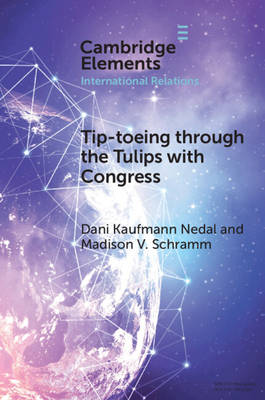
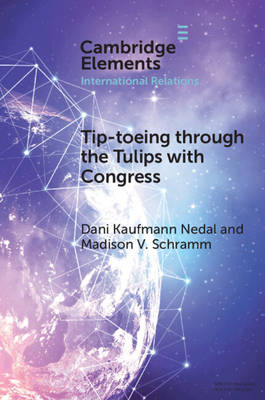
Tip-Toeing Through the Tulips with Congress
How Congressional Attention Constrains Covert Action
Dani Kaufmann Nedal, Madison V Schramm
€ 36,45
+ 72 punten
Uitvoering
Omschrijving
Over the years, the US has intervened covertly in many countries to remove dictators, subvert elected leaders, and support coups. Explanations for this focus on characteristics of target countries or strategic incentives to pursue regime change. This Element provides an account of domestic political factors constraining US presidents' authorization of covert foreign-imposed regime change operations (FIRCs), arguing that congressional attention to covert action alters the Executive's calculus by increasing the political costs associated with this secretive policy instrument. It shows that congressional attention is the result of institutional battles over abuses of executive authority and has a significant constraining effect independent of codified rules and partisan disputes. These propositions are tested using content analysis of the Congressional Record, statistical analysis of Cold War covert FIRCs, and causal-process evidence relating to covert interventions in Chile, Angola, Central America, Afghanistan, etc.
Specificaties
Betrokkenen
- Auteur(s):
- Uitgeverij:
Inhoud
- Aantal bladzijden:
- 92
- Taal:
- Engels
- Reeks:
Eigenschappen
- Productcode (EAN):
- 9781009597999
- Verschijningsdatum:
- 30/01/2025
- Uitvoering:
- Paperback
- Formaat:
- Trade paperback (VS)
- Afmetingen:
- 152 mm x 229 mm
- Gewicht:
- 136 g


Alleen bij Standaard Boekhandel
+ 72 punten op je klantenkaart van Standaard Boekhandel
Cadeau

AANGERADEN


Beoordelingen
We publiceren alleen reviews die voldoen aan de voorwaarden voor reviews. Bekijk onze voorwaarden voor reviews.