


- Afhalen na 1 uur in een winkel met voorraad
- Gratis thuislevering in België vanaf € 30
- Ruim aanbod met 7 miljoen producten
- Afhalen na 1 uur in een winkel met voorraad
- Gratis thuislevering in België vanaf € 30
- Ruim aanbod met 7 miljoen producten





€ 39,38
+ 39 punten
Uitvoering
Omschrijving
The illuminating evolution of the iconic space of Times Square.
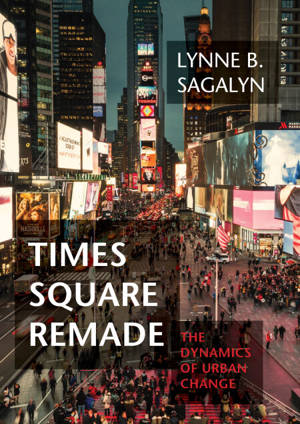
What is it about Times Square that has inspired such attention for well over a century? And how is it that, despite its many changes of character, the place has maintained a unique hold on our collective imagination? In this book, which comes twenty years after her widely acclaimed Times Square Roulette, Lynne Sagalyn masterfully tells the story of profound urban change over decades in the symbolic space that is New York City’s Times Square. Drawing on the history, sociology, and political economy of the place, Times Square Remade examines how the public-private transformation of 42nd Street at Times Square impacted the entertainment district and adjacent neighborhoods, particularly Hell’s Kitchen.
Sagalyn chronicles the earliest halcyon days of 42nd Street and Times Square as the nexus of speculation and competitive theater building as well as its darkest days as vice central, and on to the years of aggressive government intervention to cleanse West 42nd Street of pornography and crime. Thematically, the author analyzes the three main forces that have shaped and reshaped Times Square—theater, real estate, and pornography—and explains the politics and economics of what got built and what has been restored or preserved.
Accompanied by nearly 160 images, more than half in color, Times Square Remade is a deftly woven narrative of urban transformation that will appeal as much to the general reader and New York City enthusiast as to urbanists, city planners, architects, urban designers, and policymakers.
What is it about Times Square that has inspired such attention for well over a century? And how is it that, despite its many changes of character, the place has maintained a unique hold on our collective imagination? In this book, which comes twenty years after her widely acclaimed Times Square Roulette, Lynne Sagalyn masterfully tells the story of profound urban change over decades in the symbolic space that is New York City’s Times Square. Drawing on the history, sociology, and political economy of the place, Times Square Remade examines how the public-private transformation of 42nd Street at Times Square impacted the entertainment district and adjacent neighborhoods, particularly Hell’s Kitchen.
Sagalyn chronicles the earliest halcyon days of 42nd Street and Times Square as the nexus of speculation and competitive theater building as well as its darkest days as vice central, and on to the years of aggressive government intervention to cleanse West 42nd Street of pornography and crime. Thematically, the author analyzes the three main forces that have shaped and reshaped Times Square—theater, real estate, and pornography—and explains the politics and economics of what got built and what has been restored or preserved.
Accompanied by nearly 160 images, more than half in color, Times Square Remade is a deftly woven narrative of urban transformation that will appeal as much to the general reader and New York City enthusiast as to urbanists, city planners, architects, urban designers, and policymakers.
Specificaties
Betrokkenen
- Auteur(s):
- Uitgeverij:
Inhoud
- Aantal bladzijden:
- 432
- Taal:
- Engels
Eigenschappen
- Productcode (EAN):
- 9780262376327
- Verschijningsdatum:
- 20/11/2023
- Uitvoering:
- E-book
- Beveiligd met:
- Adobe DRM
- Formaat:
- ePub


Alleen bij Standaard Boekhandel
+ 39 punten op je klantenkaart van Standaard Boekhandel

Beoordelingen
We publiceren alleen reviews die voldoen aan de voorwaarden voor reviews. Bekijk onze voorwaarden voor reviews.