


- Afhalen na 1 uur in een winkel met voorraad
- Gratis thuislevering in België vanaf € 30
- Ruim aanbod met 7 miljoen producten
- Afhalen na 1 uur in een winkel met voorraad
- Gratis thuislevering in België vanaf € 30
- Ruim aanbod met 7 miljoen producten




Omschrijving
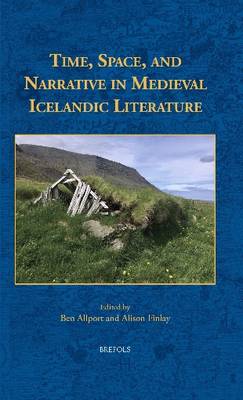
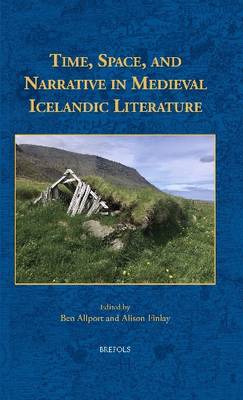
From the twelfth to the fourteenth centuries, Icelanders were a responsible for a vast output of literature, extending well beyond the Sagas of Icelanders for which they are most well-known. These varied widely in style and subject, composed in different contexts by different members of society for differing purposes. Time and space formed central thematic and structural pillars in many of these texts as they explored the profound effects wrought on their society over time and reconciled their peripheral position in relation to the world's perceived Mediterranean centre. How did these medieval Icelandic authors understand time and space? How did they portray, employ, and manipulate these concepts in order to craft their narratives? By bringing together genre-spanning articles from a broad range of Norse scholars, this collection offers a comprehensive treatment of these questions. Exploring genres ranging from the Sagas of Icelanders to hagiography and from Eddic poetry to ecclesiastical history, the contributions gathered here apply varied theoretical frameworks, digital methodologies, and episodic analyses to draw new conclusions and shed new light on this intriguing corpus.
Specificaties
Betrokkenen
- Auteur(s):
- Uitgeverij:
Inhoud
- Aantal bladzijden:
- 418
- Taal:
- Engels
- Reeks:
- Reeksnummer:
- nr. 16
Eigenschappen
- Productcode (EAN):
- 9782503612232
- Verschijningsdatum:
- 18/02/2026
- Uitvoering:
- Hardcover
- Formaat:
- Genaaid
- Gewicht:
- 403 g


Alleen bij Standaard Boekhandel
+ 254 punten op je klantenkaart van Standaard Boekhandel
AANGERADEN


Beoordelingen
We publiceren alleen reviews die voldoen aan de voorwaarden voor reviews. Bekijk onze voorwaarden voor reviews.