



- Afhalen na 1 uur in een winkel met voorraad
- In januari gratis thuislevering in België
- Ruim aanbod met 7 miljoen producten
- Afhalen na 1 uur in een winkel met voorraad
- In januari gratis thuislevering in België
- Ruim aanbod met 7 miljoen producten





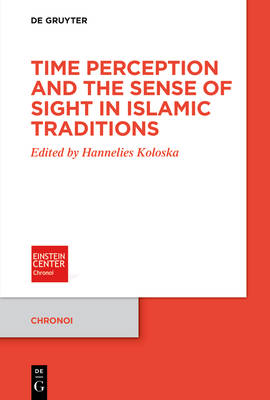
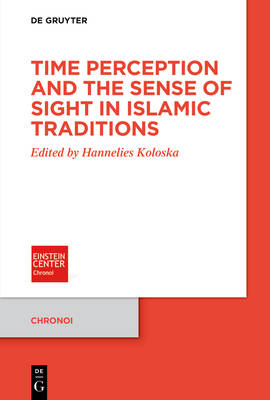
Time Perception and the Sense of Sight in Islamic Traditions
€ 30,95
+ 61 punten
Omschrijving
What does it mean to see time passing? This volume argues that the perception of time is inseparable from acts of seeing and the cultural frameworks that direct the gaze. While much has been written on Islamic notions of time or vision separately, their intersection has rarely been explored. Bringing together case studies from Qurʾānic studies, law, theology, poetry, architecture, and museology, the volume opens a new field of inquiry into the visual construction of temporality in Islamic thought and expression. It traces how sight shapes and is shaped by the experience of time--from the observation of celestial motion in early law (Hentschel) and Ibn Qutayba's epistemology (Lahav), to dreams that collapse temporal boundaries (Amir) and the Qurʾān's creation of memory through vision (Koloska). Further chapters explore poetic duration (Aweida), architectural means to engage cyclical time and reflect eternity (Kol), and the museum as a modern temporal agent (Tütüncü Çağlar). A concluding philosophical dialogue (Shardlow) activates Islamic and Western perspectives together, opening a new field for studying how vision makes time are deeply related. The volume addresses scholars of Islamic studies, philosophy, art history, and theology interested in perception, temporality, and comparative thought.
Specificaties
Betrokkenen
- Uitgeverij:
Inhoud
- Aantal bladzijden:
- 130
- Taal:
- Engels
- Reeks:
- Reeksnummer:
- nr. 25
Eigenschappen
- Productcode (EAN):
- 9783112240021
- Verschijningsdatum:
- 14/07/2026
- Uitvoering:
- Paperback
- Formaat:
- Trade paperback (VS)
- Afmetingen:
- 155 mm x 230 mm

Alleen bij Standaard Boekhandel
+ 61 punten op je klantenkaart van Standaard Boekhandel
Cadeau

AANGERADEN


Beoordelingen
We publiceren alleen reviews die voldoen aan de voorwaarden voor reviews. Bekijk onze voorwaarden voor reviews.