


- Afhalen na 1 uur in een winkel met voorraad
- Gratis thuislevering in België vanaf € 30
- Ruim aanbod met 7 miljoen producten
- Afhalen na 1 uur in een winkel met voorraad
- Gratis thuislevering in België vanaf € 30
- Ruim aanbod met 7 miljoen producten





€ 290,45
+ 580 punten
Omschrijving
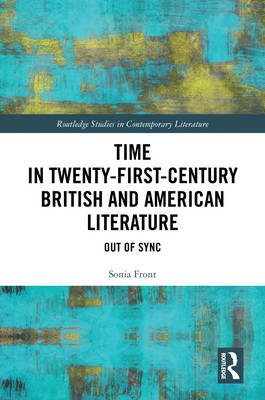
It investigates representations of time in 21st century Anglo-American literature, focusing on innovative timeframes out of sync with the new time logic of digital capitalism. Revising prevalent, oppressive notions of time, fiction offers politically productive temporalities to reclaim the agency of the subject and resist the crisis of time.
Specificaties
Betrokkenen
- Auteur(s):
- Uitgeverij:
Inhoud
- Aantal bladzijden:
- 194
- Taal:
- Engels
- Reeks:
Eigenschappen
- Productcode (EAN):
- 9781041006459
- Verschijningsdatum:
- 20/06/2025
- Uitvoering:
- Hardcover
- Formaat:
- Genaaid
- Afmetingen:
- 152 mm x 229 mm
- Gewicht:
- 444 g


Alleen bij Standaard Boekhandel
+ 580 punten op je klantenkaart van Standaard Boekhandel
Cadeau

AANGERADEN


Beoordelingen
We publiceren alleen reviews die voldoen aan de voorwaarden voor reviews. Bekijk onze voorwaarden voor reviews.