


- Afhalen na 1 uur in een winkel met voorraad
- Gratis thuislevering in België vanaf € 30
- Ruim aanbod met 7 miljoen producten
- Afhalen na 1 uur in een winkel met voorraad
- Gratis thuislevering in België vanaf € 30
- Ruim aanbod met 7 miljoen producten





€ 31,45
+ 62 punten
Omschrijving
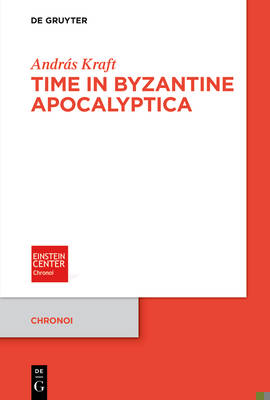
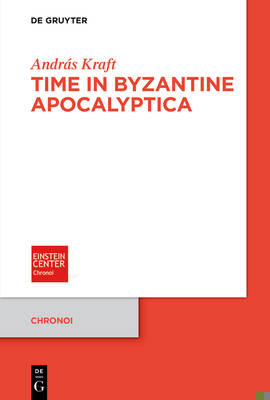
Apocalyptic narratives construct histories of the future which pertain either to this-worldly political events or otherworldly post-mortem conditions. While visions of the afterlife generally describe a world in atemporal stagnation, political prophecies anticipate prospective events that are structured by chronological progression, temporal anomalies, and typological design. Despite the wide range of prospective outlooks, Byzantine apocalypses convey a coherent vision of temporal processes and qualities in anticipation of the Last Judgment. This book examines the notion of eschatological time as portrayed in Medieval Greek apocalyptic texts from the Byzantine millennium (c. 500 to 1500 CE). It is divided into three parts and explores the interrelated aspects of eschatological chronology, velocity, and typology. Methodologically, Byzantine apocalypses are read not merely as historical sources but as literary artefacts that employ specific compositional techniques (narratological, phenomenological, typological) in order to construct a variegated yet coherent meta-history of the end times.
Specificaties
Betrokkenen
- Auteur(s):
- Uitgeverij:
Inhoud
- Aantal bladzijden:
- 100
- Taal:
- Engels
- Reeks:
- Reeksnummer:
- nr. 23
Eigenschappen
- Productcode (EAN):
- 9783112230107
- Verschijningsdatum:
- 4/05/2026
- Uitvoering:
- Paperback
- Formaat:
- Trade paperback (VS)
- Afmetingen:
- 156 mm x 234 mm
- Gewicht:
- 154 g


Alleen bij Standaard Boekhandel
+ 62 punten op je klantenkaart van Standaard Boekhandel
Cadeau

AANGERADEN


Beoordelingen
We publiceren alleen reviews die voldoen aan de voorwaarden voor reviews. Bekijk onze voorwaarden voor reviews.