


- Afhalen na 1 uur in een winkel met voorraad
- Gratis thuislevering in België vanaf € 30
- Ruim aanbod met 7 miljoen producten
- Afhalen na 1 uur in een winkel met voorraad
- Gratis thuislevering in België vanaf € 30
- Ruim aanbod met 7 miljoen producten





€ 98,45
+ 196 punten
Uitvoering
Omschrijving
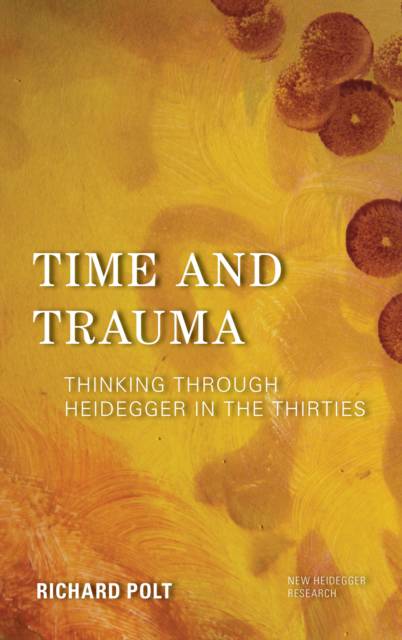
In this important new book, Richard Polt takes a fresh approach to Heidegger's thought during his most politicized period, and works toward a philosophical appropriation of his most valuable ideas. Polt shows how central themes of the 1930s--such as inception, emergency, and the question "Who are we?"--grow from seeds planted in Being and Time and are woven into Heidegger's political thought. Working with recently published texts, including Heidegger's Black Notebooks, Polt traces the thinker's engagement and disengagement from the Nazi movement. He critiques Heidegger for his failure to understand the political realm, but also draws on his ideas to propose a "traumatic ontology" that understands individual and collective existence as identities that are always in question, and always remain exposed to disruptive events. Time and Trauma is a bold attempt to gain philosophical insight from the most problematic and controversial phase of Heidegger's thought.
Specificaties
Betrokkenen
- Auteur(s):
- Uitgeverij:
Inhoud
- Aantal bladzijden:
- 302
- Taal:
- Engels
- Reeks:
Eigenschappen
- Productcode (EAN):
- 9781786610508
- Verschijningsdatum:
- 31/01/2019
- Uitvoering:
- Paperback
- Formaat:
- Trade paperback (VS)
- Afmetingen:
- 152 mm x 226 mm
- Gewicht:
- 430 g


Alleen bij Standaard Boekhandel
+ 196 punten op je klantenkaart van Standaard Boekhandel
Cadeau

AANGERADEN


Beoordelingen
We publiceren alleen reviews die voldoen aan de voorwaarden voor reviews. Bekijk onze voorwaarden voor reviews.