


- Afhalen na 1 uur in een winkel met voorraad
- Gratis thuislevering in België vanaf € 30
- Ruim aanbod met 7 miljoen producten
- Afhalen na 1 uur in een winkel met voorraad
- Gratis thuislevering in België vanaf € 30
- Ruim aanbod met 7 miljoen producten





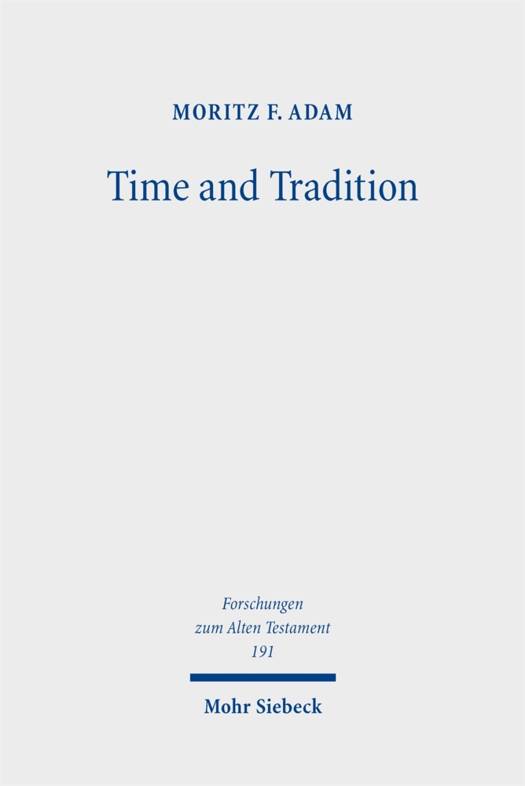
Time and Tradition
Temporal Thinking in Ecclesiastes in the Context of Emerging Apocalypticism and the History of Ideas in the Hellenistic Period
Moritz F Adam
€ 146,45
+ 292 punten
Omschrijving
English summary: Moritz F. Adam explores conceptions of time in the book of Ecclesiastes and its place in the history of thought in Hellenistic Judaism. He situates Ecclesiastes before a wider panorama of emerging apocalyptic thought and investigates how the text reflects, resists, and reworks prevailing ideas about time, history, knowledge, and meaning. Adam shows how Ecclesiastes stands at an important moment of conceptual transformation to the manner in which time was thought about in ancient Judaism, and how the book reflects new, broader, totalising, and abstract concerns in conversation with contemporary interlocutors. Through textual studies, comparative discussions and theoretical engagements with the fields of Classics and Literature, Adam challenges scholarly boundaries between wisdom, apocalypticism, and other genres, and highlights Ecclesiastes' pluralistic, open-ended discourse as a vital part of ancient Jewish thought. German description: Die Vorstellungen von Zeit im Buch Kohelet stehen vor einem weiteren Horizont der Geistesgeschichte des hellenistischen Judentums, vor allem dem Aufkommen apokalyptischen Denkens. Moritz F. Adam erortert die intellektuelle Offenheit und die literarische wie intellektuelle Verflechtung des Buches Kohelet an einem entscheidenden Wendepunkt des biblischen Denkens.
Specificaties
Betrokkenen
- Auteur(s):
- Uitgeverij:
Inhoud
- Aantal bladzijden:
- 335
- Taal:
- Engels
- Reeks:
Eigenschappen
- Productcode (EAN):
- 9783161647970
- Verschijningsdatum:
- 31/12/2025
- Uitvoering:
- Hardcover
- Formaat:
- Genaaid
- Afmetingen:
- 155 mm x 231 mm
- Gewicht:
- 557 g


Alleen bij Standaard Boekhandel
+ 292 punten op je klantenkaart van Standaard Boekhandel
CADEAU

AANGERADEN


Beoordelingen
We publiceren alleen reviews die voldoen aan de voorwaarden voor reviews. Bekijk onze voorwaarden voor reviews.