


- Afhalen na 1 uur in een winkel met voorraad
- Gratis thuislevering in België vanaf € 30
- Ruim aanbod met 7 miljoen producten
- Afhalen na 1 uur in een winkel met voorraad
- Gratis thuislevering in België vanaf € 30
- Ruim aanbod met 7 miljoen producten





€ 41,45
+ 82 punten
Omschrijving
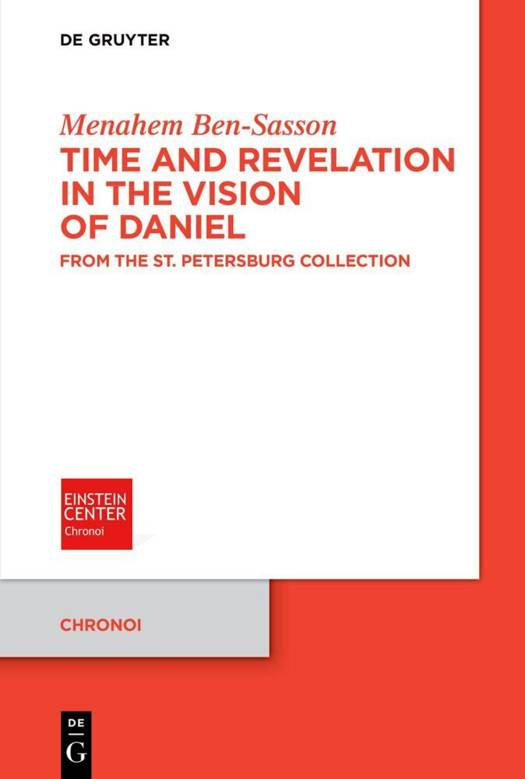
The book presents a newly discovered Vision of Daniel manuscript at the National Library of Russia, St. Petersburg. Probably composed in northern Syria or southeastern Anatolia in the 9th century CE, the text reflects an intersection of Jewish, Christian, and Muslim thought in an era of theological exchange and political conflict between the Abbasid Caliphate and Byzantium.
The Vision of Daniel is a Hebrew apocalyptic work rooted in biblical, midrashic, and eschatological traditions, yet deeply engaged with surrounding Christian and Muslim apocalyptic imagery. It interprets persecution and crisis as elements of a divine plan leading to inevitable redemption--granted through loyalty to tradition rather than repentance. Its detailed list of caliphs reveals the author's familiarity with Muslim history and Syriac sources. Composed amid messianic ferment, the work portrays two Anti-Messiahs--hybrid figures merging Jewish, Christian, and Islamic motifs--who pervert the image of the redeemer. The Vision thus serves as a unique witness to interreligious apocalyptic imagination in the medieval Middle East.
The edition includes facsimiles, a full Hebrew transcription, English translation, and a comparative study enabling reconstruction of missing parts based on another vision: the Judeo-Persian Qiṣṣa-ye Dāniyāl, which is copied, translated, annotated, and introduced by Dan Shapira and integrated into this volume.
Specificaties
Betrokkenen
- Auteur(s):
- Uitgeverij:
Inhoud
- Aantal bladzijden:
- 260
- Taal:
- Engels
- Reeks:
- Reeksnummer:
- nr. 11
Eigenschappen
- Productcode (EAN):
- 9783110790580
- Verschijningsdatum:
- 4/05/2026
- Uitvoering:
- Paperback
- Formaat:
- Trade paperback (VS)
- Afmetingen:
- 156 mm x 234 mm
- Gewicht:
- 367 g



Alleen bij Standaard Boekhandel
+ 82 punten op je klantenkaart van Standaard Boekhandel
Cadeau

AANGERADEN


Beoordelingen
We publiceren alleen reviews die voldoen aan de voorwaarden voor reviews. Bekijk onze voorwaarden voor reviews.