


- Afhalen na 1 uur in een winkel met voorraad
- Gratis thuislevering in België vanaf € 30
- Ruim aanbod met 7 miljoen producten
- Afhalen na 1 uur in een winkel met voorraad
- Gratis thuislevering in België vanaf € 30
- Ruim aanbod met 7 miljoen producten





€ 72,45
+ 144 punten
Eenvoudig bestellen
Veilig betalen


Gratis thuislevering vanaf € 30 (via bpost)
Gratis levering in je Standaard Boekhandel
Omschrijving
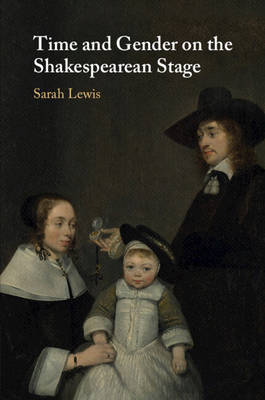
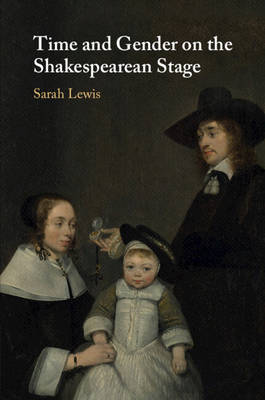
This book analyses the cultural and theatrical intersections of early modern temporal concepts and gendered identities. Through close readings of the works of Shakespeare, Middleton, Dekker, Heywood and others, across the genres of domestic comedy, city comedy and revenge tragedy, Sarah Lewis shows how temporal tropes are used to delineate masculinity and femininity on the early modern stage, and vice versa. She sets out the ways in which the temporal constructs of patience, prodigality and revenge, as well as the dramatic identities that are built from those constructs, and the experience of playgoing itself, negotiate a fraught opposition between action in the moment and delay in the duration. This book argues that looking at time through the lens of gender, and gender through the lens of time, is crucial if we are to develop our understanding of the early modern cultural construction of both.
Specificaties
Betrokkenen
- Auteur(s):
- Uitgeverij:
Inhoud
- Aantal bladzijden:
- 288
- Taal:
- Engels
Eigenschappen
- Productcode (EAN):
- 9781108820271
- Verschijningsdatum:
- 4/08/2022
- Uitvoering:
- Paperback
- Formaat:
- Trade paperback (VS)
- Afmetingen:
- 152 mm x 229 mm
- Gewicht:
- 385 g


Alleen bij Standaard Boekhandel
+ 144 punten op je klantenkaart van Standaard Boekhandel
CADEAU

AANGERADEN


Beoordelingen
We publiceren alleen reviews die voldoen aan de voorwaarden voor reviews. Bekijk onze voorwaarden voor reviews.