


- Afhalen na 1 uur in een winkel met voorraad
- Gratis thuislevering in België vanaf € 30
- Ruim aanbod met 7 miljoen producten
- Afhalen na 1 uur in een winkel met voorraad
- Gratis thuislevering in België vanaf € 30
- Ruim aanbod met 7 miljoen producten





Omschrijving
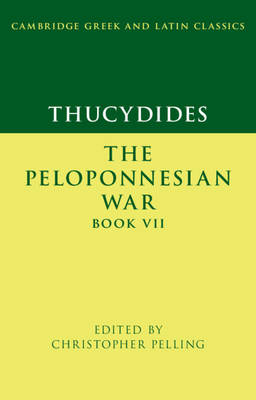
In Books 6 and 7 Thucydides' narrative is, as Plutarch puts it, 'at its most emotional, vivid, and varied' as he describes the Sicilian Expedition that ended so catastrophically for Athens (415-413 BCE). Book 7 opens with Athens seemingly on the point of victory, but the arrival of the Spartan commander Gylippus marks a change in fortunes and the Athenian commander Nicias is soon sending home a desperate plea for reinforcements. Three narrative masterpieces follow their arrival, first the eerie confusion of the night battle on the heights, then the naval clash in the Great Harbour, and finally the desperate attempt to escape and the slaughter at the river Assinarus. Following the sister commentary on Book 6, the Commentary offers students considerable help understanding the Greek while the Introduction discusses Thucydides' narrative skill and the part these books play in the architecture of the history.
Specificaties
Betrokkenen
- Auteur(s):
- Uitgeverij:
Inhoud
- Aantal bladzijden:
- 306
- Taal:
- Engels
- Reeks:
Eigenschappen
- Productcode (EAN):
- 9781316630228
- Verschijningsdatum:
- 6/01/2022
- Uitvoering:
- Paperback
- Formaat:
- Trade paperback (VS)
- Afmetingen:
- 137 mm x 215 mm
- Gewicht:
- 381 g


Alleen bij Standaard Boekhandel
+ 106 punten op je klantenkaart van Standaard Boekhandel
AANGERADEN


Beoordelingen
We publiceren alleen reviews die voldoen aan de voorwaarden voor reviews. Bekijk onze voorwaarden voor reviews.