


- Afhalen na 1 uur in een winkel met voorraad
- Gratis thuislevering in België vanaf € 30
- Ruim aanbod met 7 miljoen producten
- Afhalen na 1 uur in een winkel met voorraad
- Gratis thuislevering in België vanaf € 30
- Ruim aanbod met 7 miljoen producten





€ 40,95
+ 81 punten
Uitvoering
Omschrijving
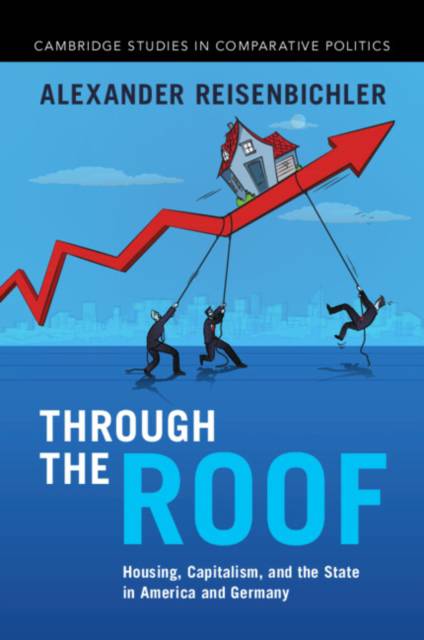
Housing is the defining issue of our time, driving a persistent affordability crisis, financial instability, and economic inequality. Through the Roof examines the crucial role of the state in shaping the housing markets of two economic powerhouses-the United States and Germany. The book starts with a puzzle: laissez-faire America has vigorously supported homeownership markets with generous government programs, while social democratic Germany has slashed policy support for both homeownership and rental markets. The book explains why both nations have adopted such radically different and unexpected housing policy approaches. Drawing on extensive archival material and interviews with policymakers, it argues that contrasting forms of capitalism-demand-led in the United States and export-oriented in Germany-resulted in divergent housing policies. In both countries, these policies have subsequently transformed capitalism itself.
Specificaties
Betrokkenen
- Auteur(s):
- Uitgeverij:
Inhoud
- Aantal bladzijden:
- 324
- Taal:
- Engels
- Reeks:
Eigenschappen
- Productcode (EAN):
- 9781009596657
- Verschijningsdatum:
- 11/09/2025
- Uitvoering:
- Paperback
- Formaat:
- Trade paperback (VS)
- Afmetingen:
- 152 mm x 229 mm
- Gewicht:
- 430 g



Alleen bij Standaard Boekhandel
+ 81 punten op je klantenkaart van Standaard Boekhandel
Cadeau

AANGERADEN


Beoordelingen
We publiceren alleen reviews die voldoen aan de voorwaarden voor reviews. Bekijk onze voorwaarden voor reviews.