


- Afhalen na 1 uur in een winkel met voorraad
- Gratis thuislevering in België vanaf € 30
- Ruim aanbod met 7 miljoen producten
- Afhalen na 1 uur in een winkel met voorraad
- Gratis thuislevering in België vanaf € 30
- Ruim aanbod met 7 miljoen producten





€ 160,45
+ 320 punten
Uitvoering
Omschrijving
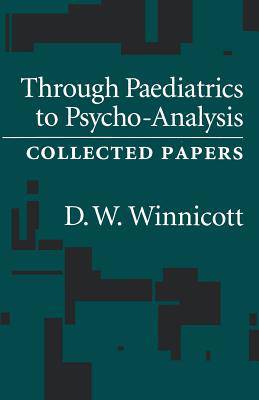
Originally published in 1958, this fascinating book stands as a compelling testament to the power of cross-fertilization in the fields of pediatrics and psychoanalysis, as each further informs, clarifies, and strengthens the other. Within these pages, D. W. Winnicott does in print what he did so well in life - teach. The book opens with an illuminating introduction by Masud Khan, which relates this collection of papers to Dr. Winnicott's later work. The original papers, then, are divided into three sections, with the first representing Dr. Winnicott's attitudes as a pediatrician prior to his training in psychoanalysis. Underlying these discussions is the suggestion that a deeper understanding of the emotional problems of child development is integral to an effective pediatric approach. In the second section, this concept is brought into sharper focus as the impact of psychoanalytic concepts on pediatrics is clearly demonstrated. Finally, the third section contains 15 papers, each of which offers insight into an essential dimension of clinical work, and all of which help to reveal the unique nature of Dr. Winnicott's contribution topsy- choanalytic theory and practice. Rooted in the day-to-day clinical experience that was his life's blood, D. W. Winnicott's ideas continue to resonate across various fields, including psychoanalysis, psychology, social work, and education. Lively and thought-provoking, this classic book spans some 20 years of his innovative work, revealing the evolution - and revolution - of many of those ideas.
Specificaties
Betrokkenen
- Auteur(s):
- Uitgeverij:
Inhoud
- Aantal bladzijden:
- 400
- Taal:
- Engels
Eigenschappen
- Productcode (EAN):
- 9780876307038
- Verschijningsdatum:
- 1/10/1992
- Uitvoering:
- Paperback
- Formaat:
- Trade paperback (VS)
- Afmetingen:
- 156 mm x 202 mm
- Gewicht:
- 480 g


Alleen bij Standaard Boekhandel
+ 320 punten op je klantenkaart van Standaard Boekhandel
Cadeau

AANGERADEN


Beoordelingen
We publiceren alleen reviews die voldoen aan de voorwaarden voor reviews. Bekijk onze voorwaarden voor reviews.