


- Afhalen na 1 uur in een winkel met voorraad
- Gratis thuislevering in België vanaf € 30
- Ruim aanbod met 7 miljoen producten
- Afhalen na 1 uur in een winkel met voorraad
- Gratis thuislevering in België vanaf € 30
- Ruim aanbod met 7 miljoen producten





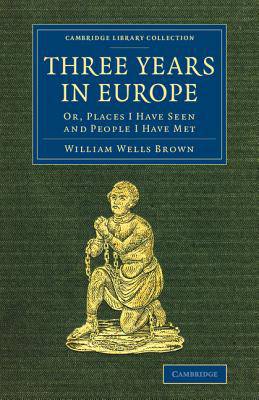
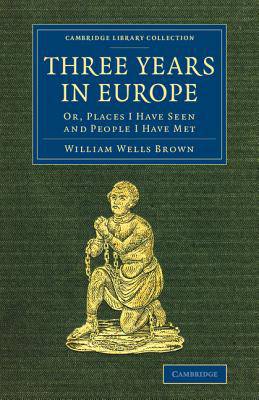
Three Years in Europe
Or, Places I Have Seen and People I Have Met
William Wells Farmer, William Wells Brown
€ 88,95
+ 177 punten
Omschrijving
William Wells Brown (1814?-84) was uncertain of his own birthday because he was born a slave, near Lexington, Kentucky. He managed to escape to Ohio, a free state, in 1834. Obtaining work on steamboats, he assisted many other slaves to escape across Lake Erie to Canada. In 1849, having achieved prominence in the American anti-slavery movement, he left for Europe, both to lecture against slavery and also to gain an education for his daughters. He stayed in Europe until 1854, since the Fugitive Slave Act of 1850 had made it possible that he could be taken back into slavery if he returned. Meanwhile, he had begun to write both fiction and non-fiction, and this account of his travels in Europe, prefaced by a short biography, was published in 1852. Brown was able to return to the United States in 1854, when British friends paid for his freedom.
Specificaties
Betrokkenen
- Auteur(s):
- Uitgeverij:
Inhoud
- Aantal bladzijden:
- 350
- Taal:
- Engels
- Reeks:
Eigenschappen
- Productcode (EAN):
- 9781108075626
- Verschijningsdatum:
- 25/09/2014
- Uitvoering:
- Paperback
- Formaat:
- Trade paperback (VS)
- Afmetingen:
- 140 mm x 216 mm
- Gewicht:
- 444 g


Alleen bij Standaard Boekhandel
+ 177 punten op je klantenkaart van Standaard Boekhandel
Cadeau

AANGERADEN


Beoordelingen
We publiceren alleen reviews die voldoen aan de voorwaarden voor reviews. Bekijk onze voorwaarden voor reviews.