


- Afhalen na 1 uur in een winkel met voorraad
- Gratis thuislevering in België vanaf € 30
- Ruim aanbod met 7 miljoen producten
- Afhalen na 1 uur in een winkel met voorraad
- Gratis thuislevering in België vanaf € 30
- Ruim aanbod met 7 miljoen producten





€ 175,95
+ 351 punten
Omschrijving
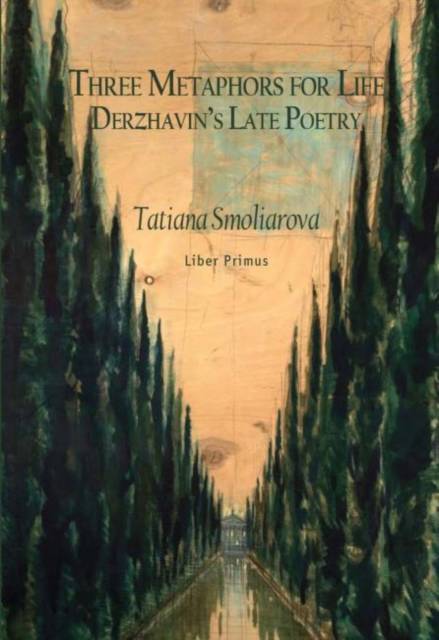
The poetry of Gavrila Derzhavin is a monument to that which could be read, heard, and, most important, seen in the two centuries in which he lived. The Palladian villa he occupied, the British service placed on the table before him, the English spinning machine put to use on his estate, and even the optical devices, such as the telescope, magic lantern, and camera obscura, which populated his home: Tatiana Smoliarova restores Derzhavin's visual environment through minute textual clues, inviting the reader to consider how such impressions informed and shaped his thinking and writing, countering the conservative, Russophile ideology he shared in his later years. In examining the poetics, aesthetics, and politics of Derzhavin's poems written in the early nineteenth century, Three Metaphors for Life makes us see this period as a chapter in the contradictory development of Russian modernity--at once regressive and progressive, resistant to social reform, insistent on a distinctly Russian historical destiny, yet enthusiastically embracing technological and industrial innovations and exploring new ways of thinking, seeing, and feeling.
Specificaties
Betrokkenen
- Auteur(s):
- Vertaler(s):
- Uitgeverij:
Inhoud
- Aantal bladzijden:
- 320
- Taal:
- Engels
- Reeks:
Eigenschappen
- Productcode (EAN):
- 9781618115737
- Verschijningsdatum:
- 20/04/2018
- Uitvoering:
- Hardcover
- Formaat:
- Genaaid
- Afmetingen:
- 156 mm x 234 mm
- Gewicht:
- 625 g


Alleen bij Standaard Boekhandel
+ 351 punten op je klantenkaart van Standaard Boekhandel
Cadeau

AANGERADEN


Beoordelingen
We publiceren alleen reviews die voldoen aan de voorwaarden voor reviews. Bekijk onze voorwaarden voor reviews.