


- Afhalen na 1 uur in een winkel met voorraad
- Gratis thuislevering in België vanaf € 30
- Ruim aanbod met 7 miljoen producten
- Afhalen na 1 uur in een winkel met voorraad
- Gratis thuislevering in België vanaf € 30
- Ruim aanbod met 7 miljoen producten




€ 39,42
+ 39 punten
Omschrijving
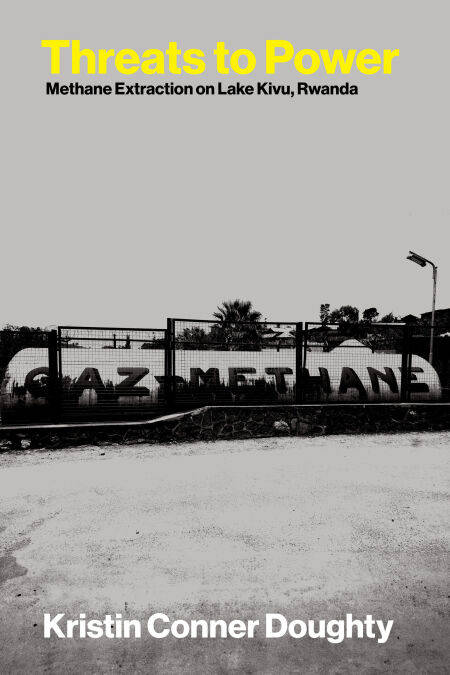
How a dangerous gas becomes a tool of national repair in post-genocide Rwanda.
At the border of Rwanda and the Democratic Republic of Congo sits Lake Kivu, an infamous freshwater lake whose scenic beauty conceals vast stores of methane and carbon dioxide. On its shores, internationally financed companies, in partnership with the Rwandan state, have built the world’s only dissolved-methane-to-electricity project.
In Threats to Power, Kristin Conner Doughty situates these projects within the long shadow of Rwanda’s post-genocide reconstruction, asking how a lake came to be understood as an existential danger in a region shaped by devastating human violence. Drawing on ethnographic research conducted with engineers, government officials, and communities around Kivu, Doughty examines efforts to transform methane from threat to resource—and what these efforts reveal about the exercise of contemporary forms of power. Bringing energy into conversation with carceral geography and war ecologies, the book traces how a dangerous gas becomes a tool of national repair, uncovering the fraught relationship between technological promise, sovereign power, and the lived realities of those who dwell at the lake’s edge.
At the border of Rwanda and the Democratic Republic of Congo sits Lake Kivu, an infamous freshwater lake whose scenic beauty conceals vast stores of methane and carbon dioxide. On its shores, internationally financed companies, in partnership with the Rwandan state, have built the world’s only dissolved-methane-to-electricity project.
In Threats to Power, Kristin Conner Doughty situates these projects within the long shadow of Rwanda’s post-genocide reconstruction, asking how a lake came to be understood as an existential danger in a region shaped by devastating human violence. Drawing on ethnographic research conducted with engineers, government officials, and communities around Kivu, Doughty examines efforts to transform methane from threat to resource—and what these efforts reveal about the exercise of contemporary forms of power. Bringing energy into conversation with carceral geography and war ecologies, the book traces how a dangerous gas becomes a tool of national repair, uncovering the fraught relationship between technological promise, sovereign power, and the lived realities of those who dwell at the lake’s edge.
Specificaties
Betrokkenen
- Auteur(s):
- Uitgeverij:
Inhoud
- Aantal bladzijden:
- 288
- Taal:
- Engels
- Reeks:
Eigenschappen
- Productcode (EAN):
- 9780262055406
- Verschijningsdatum:
- 9/11/2026
- Uitvoering:
- E-book
- Beveiligd met:
- Adobe DRM
- Formaat:
- ePub


Alleen bij Standaard Boekhandel
+ 39 punten op je klantenkaart van Standaard Boekhandel
AANGERADEN


Beoordelingen
We publiceren alleen reviews die voldoen aan de voorwaarden voor reviews. Bekijk onze voorwaarden voor reviews.