


- Afhalen na 1 uur in een winkel met voorraad
- Gratis thuislevering in België vanaf € 30
- Ruim aanbod met 7 miljoen producten
- Afhalen na 1 uur in een winkel met voorraad
- Gratis thuislevering in België vanaf € 30
- Ruim aanbod met 7 miljoen producten





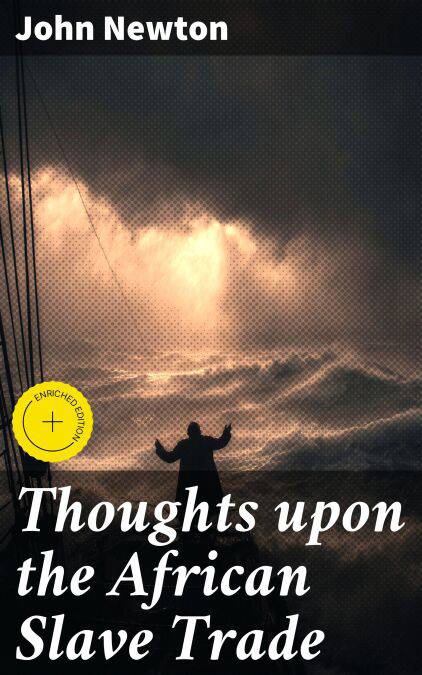
Thoughts upon the African Slave Trade E-BOOK
Enriched edition. An Abolitionist's Reflections on the Inhumane Slave Trade
John Newton
E-book | Engels
€ 1,99
+ 1 punten
Uitvoering
Omschrijving
In "Thoughts upon the African Slave Trade," John Newton offers a profound and introspective examination of the moral implications of the transatlantic slave trade. Written in a confessional and reflective prose style, Newton's narrative is imbued with a deep sense of remorse, stemming from his own past as a slave trader. The book serves as both a personal memoir and a moral treatise, situating itself in a burgeoning abolitionist discourse that called for the reevaluation of inhumane practices in the 18th century. Newton's poignant rhetoric and eloquent appeals to conscience engage readers in a critical dialogue about human dignity, suffering, and redemption. John Newton, formerly a captain in the slave trade, underwent a radical personal transformation following a life-threatening tempest at sea that led him to Christianity. His subsequent ordination as a minister and his role as a strong proponent of the abolitionist movement informed his writings, where he advanced the message of grace and moral responsibility. His first-hand experience grants authenticity and urgency to his critique, making his insights resonate profoundly with the historical and social context of his time. This book is essential reading for anyone interested in the ethical dimensions of history, as well as the intersection of faith and social justice. Newton's candid reflections not only illuminate the horrors of slavery but also celebrate the possibility of spiritual redemption and moral awakening. Readers are encouraged to grapple with these urgent themes, making it a significant work for contemporary discussions on human rights and ethical responsibility.
In this enriched edition, we have carefully created added value for your reading experience:
- A succinct Introduction situates the work's timeless appeal and themes.
- The Synopsis outlines the central plot, highlighting key developments without spoiling critical twists.
- A detailed Historical Context immerses you in the era's events and influences that shaped the writing.
- A thorough Analysis dissects symbols, motifs, and character arcs to unearth underlying meanings.
- Reflection questions prompt you to engage personally with the work's messages, connecting them to modern life.
- Hand‐picked Memorable Quotes shine a spotlight on moments of literary brilliance.
- Interactive footnotes clarify unusual references, historical allusions, and archaic phrases for an effortless, more informed read.
In this enriched edition, we have carefully created added value for your reading experience:
- A succinct Introduction situates the work's timeless appeal and themes.
- The Synopsis outlines the central plot, highlighting key developments without spoiling critical twists.
- A detailed Historical Context immerses you in the era's events and influences that shaped the writing.
- A thorough Analysis dissects symbols, motifs, and character arcs to unearth underlying meanings.
- Reflection questions prompt you to engage personally with the work's messages, connecting them to modern life.
- Hand‐picked Memorable Quotes shine a spotlight on moments of literary brilliance.
- Interactive footnotes clarify unusual references, historical allusions, and archaic phrases for an effortless, more informed read.
Specificaties
Betrokkenen
- Auteur(s):
- Uitgeverij:
Inhoud
- Aantal bladzijden:
- 22
- Taal:
- Engels
Eigenschappen
- Productcode (EAN):
- 4064066067618
- Verschijningsdatum:
- 7/12/2020
- Uitvoering:
- E-book
- Beveiligd met:
- Digital watermarking
- Formaat:
- ePub


Alleen bij Standaard Boekhandel
+ 1 punten op je klantenkaart van Standaard Boekhandel
Cadeau

AANGERADEN


Beoordelingen
We publiceren alleen reviews die voldoen aan de voorwaarden voor reviews. Bekijk onze voorwaarden voor reviews.