


- Afhalen na 1 uur in een winkel met voorraad
- Gratis thuislevering in België vanaf € 30
- Ruim aanbod met 7 miljoen producten
- Afhalen na 1 uur in een winkel met voorraad
- Gratis thuislevering in België vanaf € 30
- Ruim aanbod met 7 miljoen producten





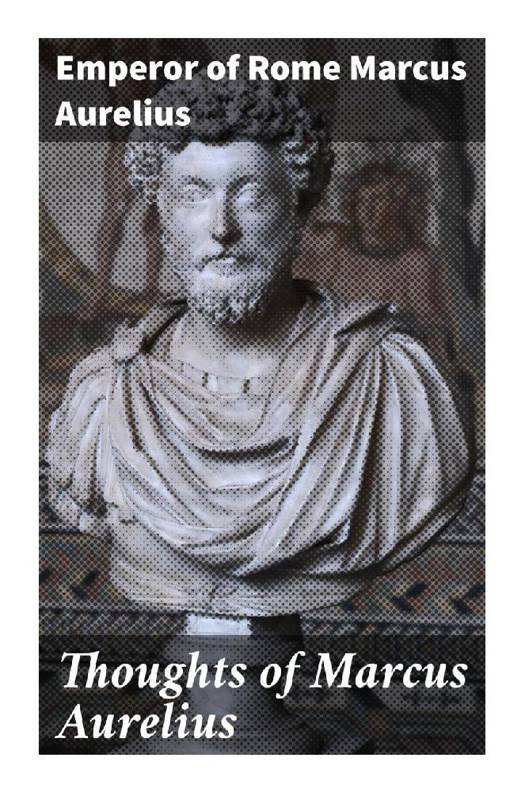
Thoughts of Marcus Aurelius
Stoic Reflections on Duty, Mortality, Reason, and Inner Resilience in Second-Century Rome
Marc Aurel
Paperback | Engels
€ 9,45
+ 18 punten
Eenvoudig bestellen
Veilig betalen


Gratis thuislevering vanaf € 30 (via bpost)
Gratis levering in je Standaard Boekhandel
Omschrijving
Thoughts of Marcus Aurelius gathers the private reflections of Rome's philosopher-emperor, a work better known through the tradition of the Meditations. Composed in concise, aphoristic entries rather than systematic argument, it examines mortality, duty, self-command, providence, and the discipline of reason. Its literary force lies in its austere intimacy: a ruler addressing himself, testing Stoic doctrine against the pressures of public life, and transforming imperial experience into moral philosophy within the broader context of late classical Stoicism. Marcus Aurelius, emperor from 161 to 180 CE, governed during war, plague, political strain, and the burdens of succession. Educated in Greek philosophy and deeply shaped by Stoic teachers, he wrote not for publication but for self-correction. The book's urgency arises from this tension between absolute power and inward restraint: Aurelius seeks to become worthy of authority by remembering the transience of fame, the kinship of rational beings, and the ethical demands of the present moment. This volume is recommended to readers interested in philosophy as lived practice rather than abstraction. Its reflections reward slow reading, offering clarity without sentimentality and consolation without illusion.
Specificaties
Betrokkenen
- Auteur(s):
- Vertaler(s):
- Uitgeverij:
Inhoud
- Taal:
- Engels
Eigenschappen
- Productcode (EAN):
- 9788027295913
- Uitvoering:
- Paperback
- Afmetingen:
- 200 mm x 8 mm
- Gewicht:
- 159 g


Alleen bij Standaard Boekhandel
+ 18 punten op je klantenkaart van Standaard Boekhandel
CADEAU

AANGERADEN


Beoordelingen
We publiceren alleen reviews die voldoen aan de voorwaarden voor reviews. Bekijk onze voorwaarden voor reviews.