


- Afhalen na 1 uur in een winkel met voorraad
- Gratis thuislevering in België vanaf € 30
- Ruim aanbod met 7 miljoen producten
- Afhalen na 1 uur in een winkel met voorraad
- Gratis thuislevering in België vanaf € 30
- Ruim aanbod met 7 miljoen producten





€ 54,45
+ 108 punten
Omschrijving
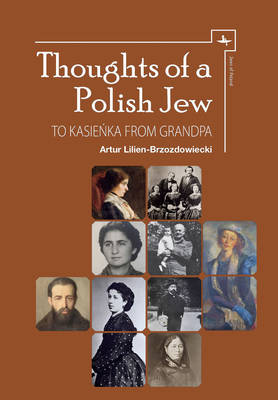
Thoughts of a Polish Jew: To Kasienka from Grandpa is a document of a personal and family memory, authored by Artur Lilien-Brzozdowiecki (1890-1958) in 1944/45. This memoir, which was written in Polish and translated to English for the family circulation alone, now becomes a public asset. Lilien invites his new-born granddaughter to encounter her family, generations of Polish Jewry: merchants, lease-holders, bankers, industrialists, politicians, communal leaders, army officers, scholars, physicians, artists, and art collectors. They dwell in a broad Jewish and Christian world, integrated into the national life of the Polish-Lithuanian Commonwealth, the Habsburg Empire, and the Second Polish Republic. The reader is encouraged to enjoy reminiscences of this worthy life and bitter choices that challenged Polish-particularly Galician-Jewry in the twentieth century.
Specificaties
Betrokkenen
- Auteur(s):
- Vertaler(s):
- Uitgeverij:
Inhoud
- Aantal bladzijden:
- 168
- Taal:
- Engels
- Reeks:
Eigenschappen
- Productcode (EAN):
- 9781618114976
- Verschijningsdatum:
- 30/04/2016
- Uitvoering:
- Hardcover
- Formaat:
- Genaaid
- Afmetingen:
- 156 mm x 234 mm
- Gewicht:
- 412 g


Alleen bij Standaard Boekhandel
+ 108 punten op je klantenkaart van Standaard Boekhandel
Cadeau

AANGERADEN


Beoordelingen
We publiceren alleen reviews die voldoen aan de voorwaarden voor reviews. Bekijk onze voorwaarden voor reviews.