


- Afhalen na 1 uur in een winkel met voorraad
- Gratis thuislevering in België vanaf € 30
- Ruim aanbod met 7 miljoen producten
- Afhalen na 1 uur in een winkel met voorraad
- Gratis thuislevering in België vanaf € 30
- Ruim aanbod met 7 miljoen producten





€ 15,45
+ 30 punten
Omschrijving
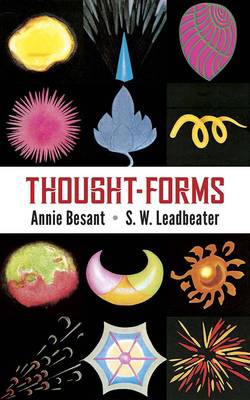
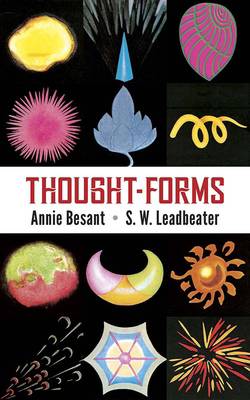
Wassily Kandinsky, Piet Mondrian, and other modern artists were profoundly influenced by this classic of the theosophical tradition, which explores the concept of what thoughts "look" like. Written by a pair of prominent theosophists, it provides a way to visualize the invisible realms within and around us. These simple, clearly expressed, and well-illustrated discussions address the meaning of color, thought forms built by music, and related subjects.
British social reformer Annie Besant wrote numerous books and articles that are still widely considered the best expositions of theosophical belief. She co-authored this treatise with C. W. Leadbeater, a former Anglican priest who converted to theosophy. Besant characterized the purpose of Thought Forms as "as a striking moral lesson to every reader, making him realize the nature and power of his thoughts, acting as a stimulus to the noble and a curb to the base."
British social reformer Annie Besant wrote numerous books and articles that are still widely considered the best expositions of theosophical belief. She co-authored this treatise with C. W. Leadbeater, a former Anglican priest who converted to theosophy. Besant characterized the purpose of Thought Forms as "as a striking moral lesson to every reader, making him realize the nature and power of his thoughts, acting as a stimulus to the noble and a curb to the base."
Specificaties
Betrokkenen
- Auteur(s):
- Uitgeverij:
Inhoud
- Aantal bladzijden:
- 112
- Taal:
- Engels
Eigenschappen
- Productcode (EAN):
- 9780486843179
- Verschijningsdatum:
- 18/11/2020
- Uitvoering:
- Paperback
- Formaat:
- Trade paperback (VS)
- Afmetingen:
- 127 mm x 201 mm
- Gewicht:
- 181 g


Alleen bij Standaard Boekhandel
+ 30 punten op je klantenkaart van Standaard Boekhandel
Cadeau

AANGERADEN


Beoordelingen
We publiceren alleen reviews die voldoen aan de voorwaarden voor reviews. Bekijk onze voorwaarden voor reviews.