


- Afhalen na 1 uur in een winkel met voorraad
- Gratis thuislevering in België vanaf € 30
- Ruim aanbod met 7 miljoen producten
- Afhalen na 1 uur in een winkel met voorraad
- Gratis thuislevering in België vanaf € 30
- Ruim aanbod met 7 miljoen producten





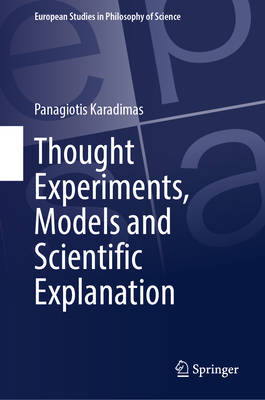
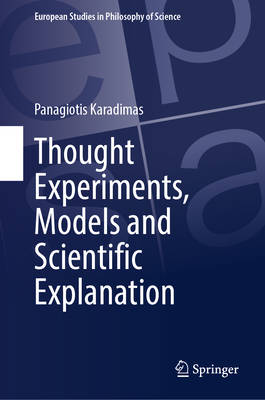
Thought Experiments, Models and Scientific Explanation
Panagiotis Karadimas
€ 140,95
+ 281 punten
Omschrijving
This book proposes a novel way to view thought experiments, models and scientific explanations. Current literature focuses largely on the assumed differences between the thought experiments and models, and as a result we have lost sight of an important role they can perform in science, such as providing explanations. On the contrary, by characterizing them as mingled representations (instead of defining them), namely as representations that carry scientific content which is at once hypothetical and empirical, we can see that they explain events in certain contexts. These activities constitute a huge portion of scientific practice and considering them as not being linked to explanation has been an unfortunate outcome for philosophy of science so far. This book fills that gap, making it of great interest to philosophers of science from a wide range of branches in the field, including those working on thought experiments and those who work on models.
Specificaties
Betrokkenen
- Auteur(s):
- Uitgeverij:
Inhoud
- Aantal bladzijden:
- 205
- Taal:
- Engels
- Reeks:
- Reeksnummer:
- nr. 14
Eigenschappen
- Productcode (EAN):
- 9783032161444
- Verschijningsdatum:
- 17/02/2026
- Uitvoering:
- Hardcover
- Formaat:
- Genaaid
- Afmetingen:
- 162 mm x 235 mm
- Gewicht:
- 462 g


Alleen bij Standaard Boekhandel
+ 281 punten op je klantenkaart van Standaard Boekhandel
Cadeau

AANGERADEN


Beoordelingen
We publiceren alleen reviews die voldoen aan de voorwaarden voor reviews. Bekijk onze voorwaarden voor reviews.