


- Afhalen na 1 uur in een winkel met voorraad
- Gratis thuislevering in België vanaf € 30
- Ruim aanbod met 7 miljoen producten
- Afhalen na 1 uur in een winkel met voorraad
- Gratis thuislevering in België vanaf € 30
- Ruim aanbod met 7 miljoen producten





€ 33,95
+ 67 punten
Omschrijving
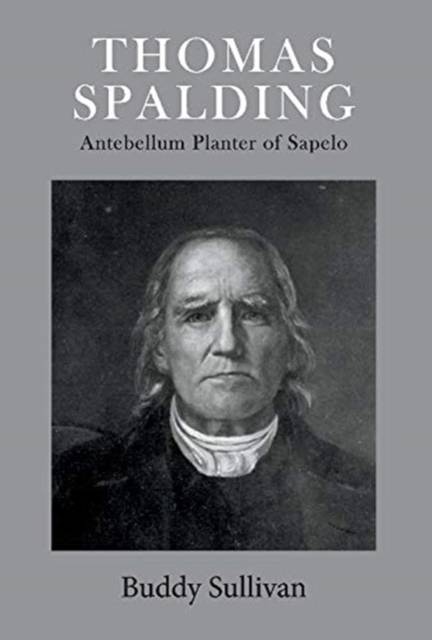
This monograph comprising a brief biography of antebellum planter Thomas Spalding and his times, the first such work specifically relating to Spalding since 1940, is gleaned from the author's previous writings about Sapelo Island and coastal Georgia. Chief among these works are Early Days on the Georgia Tidewater A New Revised Edition (2018), Environmental Influences on Life & Labor in McIntosh County, Georgia (2018) and Sapelo: People and Place on a Georgia Sea Island (2017). Thomas Spalding was one of the leading agrarians in the antebellum South and his Sapelo Island cotton and sugar cane plantation was among the region's most productive and efficiently managed. This book provides a review of Spalding's life, an assessment of his plantation and slave management philosophy, and a glimpse of the times in which he lived as the owner and master of a large agricultural operation with hundreds of bondsmen in the early-to-mid nineteenth century. Within are sections on barrier island ecology, planting techniques for sea island cotton and sugar cane, and the principles of tabby architecture as promoted by Spalding. The last section of the book carries the story into the early 20th century with the final years of the Spalding family's presence on Sapelo Island, and the growth of postbellum African American communities developed by the formerly enslaved people of Sapelo.
Specificaties
Betrokkenen
- Auteur(s):
- Uitgeverij:
Inhoud
- Aantal bladzijden:
- 200
- Taal:
- Engels
Eigenschappen
- Productcode (EAN):
- 9781543962284
- Verschijningsdatum:
- 19/04/2019
- Uitvoering:
- Hardcover
- Formaat:
- Genaaid
- Afmetingen:
- 160 mm x 234 mm
- Gewicht:
- 453 g



Alleen bij Standaard Boekhandel
+ 67 punten op je klantenkaart van Standaard Boekhandel
AANGERADEN


Beoordelingen
We publiceren alleen reviews die voldoen aan de voorwaarden voor reviews. Bekijk onze voorwaarden voor reviews.