


- Afhalen na 1 uur in een winkel met voorraad
- Gratis thuislevering in België vanaf € 30
- Ruim aanbod met 7 miljoen producten
- Afhalen na 1 uur in een winkel met voorraad
- Gratis thuislevering in België vanaf € 30
- Ruim aanbod met 7 miljoen producten





€ 220,45
+ 440 punten
Omschrijving
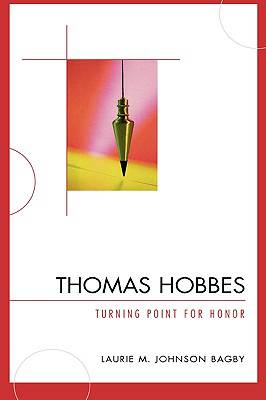
Has modern Western society lost its sense of honor? If so, can we find the reason for this loss? Laurie Johnson Bagby turns to the political philosophy of Thomas Hobbes for answers to these questions, finding in him the early modern "turning point for honor." She examines Hobbes's use of the word honor throughout his career and reveals in Hobbes's thought an evolving understanding of honor, at least in his analysis of politics and society. She also looks at Hobbes's life and times, especially the English Civil War, a cataclysmic event that solidified his rejection of honor as a socially and politically useful concept. Bagby analyzes key ideas in Hobbes's philosophy which shed further light on his conclusion that the desire for honor is dangerous and needs to be eliminated in favor of fear and self-interest. In the end, she questions whether the equality of fear in the state of nature is actually a better source of social and political obligation than honor. In rejecting any sense of obligation based upon earlier notions of natural superiors and inferiors, does Hobbesian and future liberal thought unnecessarily reject honor as a source of restraint in society that previously promoted protection of the weaker against the stronger?
Specificaties
Betrokkenen
- Auteur(s):
- Uitgeverij:
Inhoud
- Aantal bladzijden:
- 186
- Taal:
- Engels
Eigenschappen
- Productcode (EAN):
- 9780739126370
- Verschijningsdatum:
- 1/03/2009
- Uitvoering:
- Hardcover
- Formaat:
- Genaaid
- Afmetingen:
- 150 mm x 226 mm
- Gewicht:
- 453 g


Alleen bij Standaard Boekhandel
+ 440 punten op je klantenkaart van Standaard Boekhandel
Cadeau

AANGERADEN


Beoordelingen
We publiceren alleen reviews die voldoen aan de voorwaarden voor reviews. Bekijk onze voorwaarden voor reviews.