



Je cadeautjes zeker op tijd in huis hebben voor de feestdagen? Kom langs in onze winkels en vind het perfecte geschenk!
- Afhalen na 1 uur in een winkel met voorraad
- Gratis thuislevering in België vanaf € 30
- Ruim aanbod met 7 miljoen producten
Je cadeautjes zeker op tijd in huis hebben voor de feestdagen? Kom langs in onze winkels en vind het perfecte geschenk!
- Afhalen na 1 uur in een winkel met voorraad
- Gratis thuislevering in België vanaf € 30
- Ruim aanbod met 7 miljoen producten





€ 76,45
+ 152 punten
Omschrijving
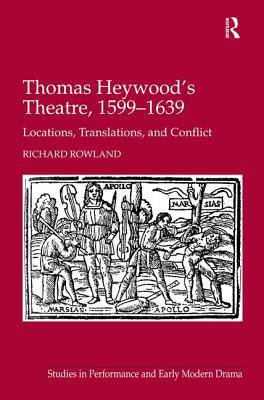
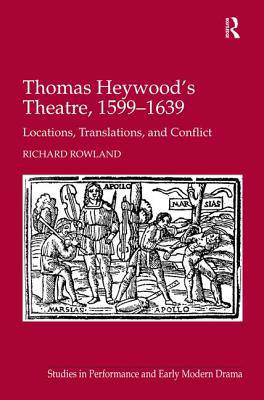
In this major reassessment of his subject, Richard Rowland restores Thomas Heywood-playwright, miscellanist and translator-to his rightful place in early modern theatre history. Rowland contextualizes and historicizes this important contemporary of Shakespeare, locating him on the geographic and cultural map of London through the business Heywood conducts in his writing. Arguing that Heywood's theatrical output deserves the same attention and study that has been directed towards Shakespeare, Jonson, and more recently Middleton, this book looks at three periods of Heywood's creativity: the end of the Elizabethan era and the beginning of the Jacobean, the mid 1620s, and the mid to late 1630s. By locating the works of those years precisely in the political and cultural conflicts to which they respond, Rowland initiates a major reassessment of the remarkable achievements of this playwright. Rowland also pays attention to Heywood in performance, seeing this writer as a jobbing playwright working in an industry that depended on making writing work. Finally, the author explores how Heywood participated in the civic life of London in his writings beyond the playhouse. Here Rowland examines pamphlets, translations, and the sequence of lord mayor's pageants that Heywood produced as the political crisis deepened. Offering close readings of Heywood that establish the range, quality and theatrical significance of the writing, Thomas Heywood's Theatre, 1599-1639 fits a fascinating piece into the emerging picture of the 'complete' early modern English theatre.
Specificaties
Betrokkenen
- Auteur(s):
- Uitgeverij:
Inhoud
- Aantal bladzijden:
- 394
- Taal:
- Engels
- Reeks:
Eigenschappen
- Productcode (EAN):
- 9780754669258
- Verschijningsdatum:
- 12/03/2010
- Uitvoering:
- Hardcover
- Formaat:
- Genaaid
- Afmetingen:
- 156 mm x 234 mm
- Gewicht:
- 730 g


Alleen bij Standaard Boekhandel
+ 152 punten op je klantenkaart van Standaard Boekhandel
CADEAU


Beoordelingen
We publiceren alleen reviews die voldoen aan de voorwaarden voor reviews. Bekijk onze voorwaarden voor reviews.