


- Afhalen na 1 uur in een winkel met voorraad
- Gratis thuislevering in België vanaf € 30
- Ruim aanbod met 7 miljoen producten
- Afhalen na 1 uur in een winkel met voorraad
- Gratis thuislevering in België vanaf € 30
- Ruim aanbod met 7 miljoen producten





Omschrijving
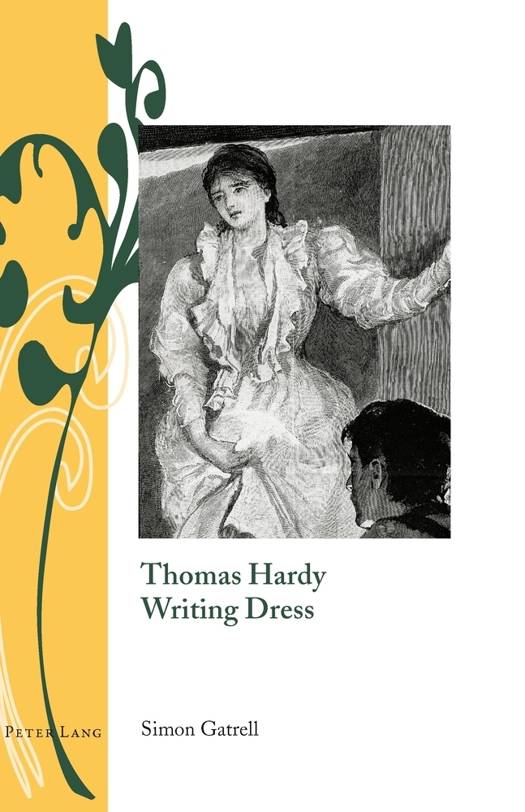
This new study provides fresh readings of Thomas Hardy's work and illuminates the social and cultural history of dress in the nineteenth century. The book argues that Hardy had a more detailed and acute understanding of the importance of dress in forming and regulating personal identity and social relations than any other writer of his time. Structured thematically, it takes into account both nineteenth-century and modern theoretical approaches to the significance of what we wear.
The author gives an extended analysis of individual works by Hardy, showing, for example, that A Pair of Blue Eyes is central to the study of the function of clothing in the expression and perception of sexuality. The Hand of Ethelberta, The Mayor of Casterbridge, Tess of the d'Urbervilles and The Woodlanders are examined in order to show the extent to which dress obscures or reveals the nature of the self. Hardy's other novels, as well as the short stories and poems, are used to confirm the centrality of dress and clothing in Hardy's work. The book also raises issues such as the gendering of dress, cross-dressing, work clothes and working with clothes, dress and the environment, the symbolism of colour in clothes, and the dress conventions relating to death.
The author gives an extended analysis of individual works by Hardy, showing, for example, that A Pair of Blue Eyes is central to the study of the function of clothing in the expression and perception of sexuality. The Hand of Ethelberta, The Mayor of Casterbridge, Tess of the d'Urbervilles and The Woodlanders are examined in order to show the extent to which dress obscures or reveals the nature of the self. Hardy's other novels, as well as the short stories and poems, are used to confirm the centrality of dress and clothing in Hardy's work. The book also raises issues such as the gendering of dress, cross-dressing, work clothes and working with clothes, dress and the environment, the symbolism of colour in clothes, and the dress conventions relating to death.
Specificaties
Betrokkenen
- Auteur(s):
- Uitgeverij:
Inhoud
- Aantal bladzijden:
- 300
- Taal:
- Engels
- Reeks:
- Reeksnummer:
- nr. 1
Eigenschappen
- Productcode (EAN):
- 9783034307390
- Verschijningsdatum:
- 29/09/2011
- Uitvoering:
- Hardcover
- Formaat:
- Ongenaaid / garenloos gebonden
- Afmetingen:
- 150 mm x 226 mm
- Gewicht:
- 544 g


Alleen bij Standaard Boekhandel
+ 224 punten op je klantenkaart van Standaard Boekhandel
Cadeau

AANGERADEN


Beoordelingen
We publiceren alleen reviews die voldoen aan de voorwaarden voor reviews. Bekijk onze voorwaarden voor reviews.