


- Afhalen na 1 uur in een winkel met voorraad
- Gratis thuislevering in België vanaf € 30
- Ruim aanbod met 7 miljoen producten
- Afhalen na 1 uur in een winkel met voorraad
- Gratis thuislevering in België vanaf € 30
- Ruim aanbod met 7 miljoen producten





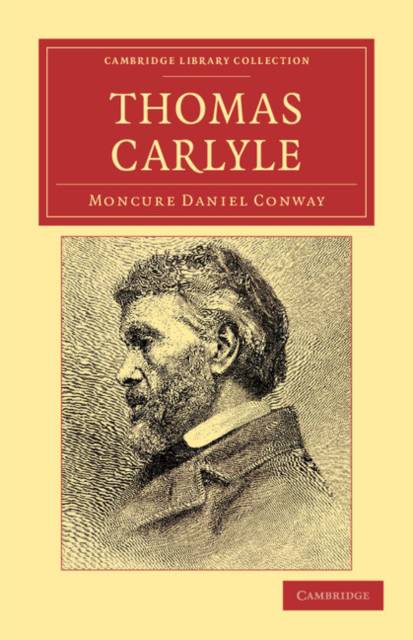
Thomas Carlyle
Moncure Daniel Conway
€ 64,45
+ 128 punten
Eenvoudig bestellen
Veilig betalen


Gratis thuislevering vanaf € 30 (via bpost)
Gratis levering in je Standaard Boekhandel
Omschrijving
Moncure Daniel Conway (1832-1907), the son of a Virginian plantation-owner, became a Unitarian minister but his anti-slavery views made him controversial. He later became a freethinker, and following the outbreak of the Civil War, which deeply divided his own family, he left the United States for England in 1863. He gained a reputation as the 'least orthodox preacher in London', and was acquainted with many figures in the literary and scientific world, including Charles Dickens and Charles Darwin. This memoir of Thomas Carlyle, another friend, was published in 1881 soon after Carlyle's death. Carlyle had not wanted to be the subject of a biography, and reluctantly authorised J. A. Froude to write one, but Conway rushed into print this somewhat hagiographical account because he was concerned, with reason, about the damage Froude's frank biography (published in 1882-4 and also reissued in this series) might do to Carlyle's reputation.
Specificaties
Betrokkenen
- Auteur(s):
- Uitgeverij:
Inhoud
- Aantal bladzijden:
- 274
- Taal:
- Engels
- Reeks:
Eigenschappen
- Productcode (EAN):
- 9781108045346
- Verschijningsdatum:
- 23/02/2012
- Uitvoering:
- Paperback
- Formaat:
- Trade paperback (VS)
- Afmetingen:
- 140 mm x 216 mm
- Gewicht:
- 349 g


Alleen bij Standaard Boekhandel
+ 128 punten op je klantenkaart van Standaard Boekhandel
CADEAU

AANGERADEN


Beoordelingen
We publiceren alleen reviews die voldoen aan de voorwaarden voor reviews. Bekijk onze voorwaarden voor reviews.