



- Afhalen na 1 uur in een winkel met voorraad
- In januari gratis thuislevering in België
- Ruim aanbod met 7 miljoen producten
- Afhalen na 1 uur in een winkel met voorraad
- In januari gratis thuislevering in België
- Ruim aanbod met 7 miljoen producten





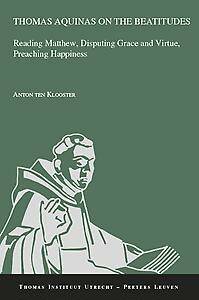
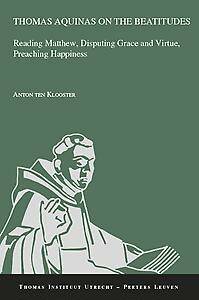
Thomas Aquinas on the Beatitudes
Reading Matthew, Disputing Grace and Virtue, Preaching Happiness
A Ten Klooster
€ 40,00
+ 80 punten
Omschrijving
What is happiness and how do we attain it? Saint Thomas Aquinas (ca. 1226-1274) devoted much time to these questions. In studying them he always returned to the beatitudes as they are found in Matthew 5:1-10. They function as the framework for his theology of human happiness. This study presents that theology as it comes to the fore in Aquinas' performance of his three tasks as a magister at the Parisian university: to read Scripture, to dispute theological topics, and to preach. This study shows that Aquinas believes that the beatitudes describe a number of virtuous actions, the exercise of which is made possible by grace, specified in the gifts of the Holy Spirit. To all those observing the new law constituted by the beatitudes, a reward is promised in the form of eternal happiness. Any happiness that can be had in this life is at best an inchoate form of the reward of eternal happiness, which is described in the second part of each individual beatitude.
Specificaties
Betrokkenen
- Auteur(s):
- Uitgeverij:
Inhoud
- Aantal bladzijden:
- 338
- Taal:
- Engels
- Reeks:
- Reeksnummer:
- nr. 18
Eigenschappen
- Productcode (EAN):
- 9789042936430
- Verschijningsdatum:
- 7/06/2018
- Uitvoering:
- Paperback
- Formaat:
- Trade paperback (VS)
- Afmetingen:
- 160 mm x 239 mm
- Gewicht:
- 453 g


Alleen bij Standaard Boekhandel
+ 80 punten op je klantenkaart van Standaard Boekhandel
Cadeau

AANGERADEN


Beoordelingen
We publiceren alleen reviews die voldoen aan de voorwaarden voor reviews. Bekijk onze voorwaarden voor reviews.