


- Afhalen na 1 uur in een winkel met voorraad
- Gratis thuislevering in België vanaf € 30
- Ruim aanbod met 7 miljoen producten
- Afhalen na 1 uur in een winkel met voorraad
- Gratis thuislevering in België vanaf € 30
- Ruim aanbod met 7 miljoen producten





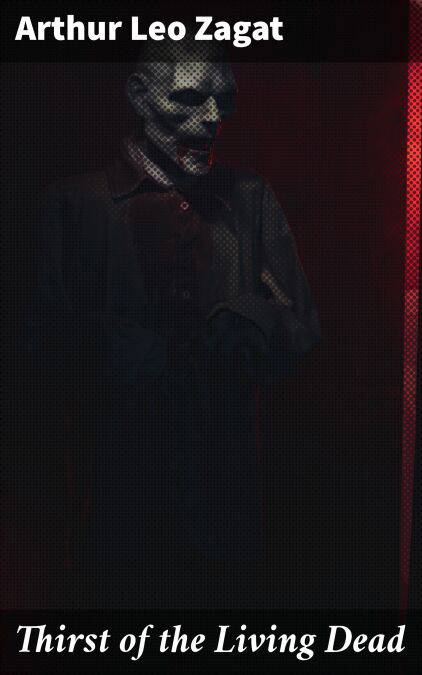
Thirst of the Living Dead E-BOOK
A Haunting Tale of the Undead in a Rural Town
Arthur Leo Zagat
E-book | Engels
€ 1,99
+ 1 punten
Uitvoering
Omschrijving
In "Thirst of the Living Dead," Arthur Leo Zagat masterfully weaves a tale that delves into the macabre intersection of horror and humanity. Set against a post-apocalyptic backdrop where the remains of civilization grapple with the undead, Zagat's prose reflects a vivid, almost cinematic style, painting haunting imagery of desolation and despair. The work contributes to the burgeoning genre of early 20th-century speculative fiction, echoing themes of survival, existential dread, and the primal instincts that define humanity amidst chaos. With a gripping narrative structure, the book effectively subverts traditional horror tropes, challenging the reader to confront not just fears of the undead but also their own moral dilemmas in desperate situations. Arthur Leo Zagat, a prominent figure in early speculative fiction, was born in 1896 as a child of immigrant parents in Brooklyn, New York. His experiences shaped his worldview, fostering a keen interest in exploring the darker aspects of humanity, as evidenced in his works that often reflect societal anxieties of his time. Zagat's prolific output and engagement with themes of identity, fear, and survival reveal his introspective nature, likely influenced by the turbulent world events surrounding him during the first half of the 20th century. "Thirst of the Living Dead" is a compelling read for both horror enthusiasts and literary scholars alike, offering rich thematic layers ripe for exploration. Zagat's unique blend of terror and philosophical inquiry makes this novel an essential addition to any collection, inviting readers to reflect deeply on their own humanity in a world gone awry.
Specificaties
Betrokkenen
- Auteur(s):
- Uitgeverij:
Inhoud
- Aantal bladzijden:
- 48
- Taal:
- Engels
Eigenschappen
- Productcode (EAN):
- 4066338100641
- Verschijningsdatum:
- 8/11/2021
- Uitvoering:
- E-book
- Beveiligd met:
- Digital watermarking
- Formaat:
- ePub


Alleen bij Standaard Boekhandel
+ 1 punten op je klantenkaart van Standaard Boekhandel
CADEAU

AANGERADEN


Beoordelingen
We publiceren alleen reviews die voldoen aan de voorwaarden voor reviews. Bekijk onze voorwaarden voor reviews.