


- Afhalen na 1 uur in een winkel met voorraad
- Gratis thuislevering in België vanaf € 30
- Ruim aanbod met 7 miljoen producten
- Afhalen na 1 uur in een winkel met voorraad
- Gratis thuislevering in België vanaf € 30
- Ruim aanbod met 7 miljoen producten





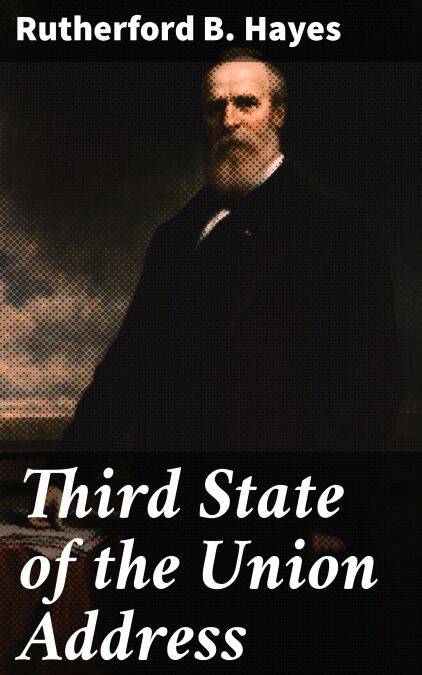
Third State of the Union Address E-BOOK
A Historic Address on Civil Rights, Labor Relations, and Foreign Policy
Rutherford B. Hayes
E-book | Engels
€ 1,99
+ 1 punten
Omschrijving
In the "Third State of the Union Address," Rutherford B. Hayes presents a pivotal moment in American history during his presidency, addressing issues of Reconstruction, civil rights, and the burgeoning industrial age. This address is notable not only for its eloquent prose and persuasive rhetoric but also for its insightful commentary on national unity and the moral obligations of governance. Hayes'Äôs literary style blends sincerity with a call to action, reflecting the urgent concerns of a nation grappling with its identity post-Civil War. The context of his address is rich, set against the backdrop of political upheaval and social transformation, making it a vital historical document that encapsulates the aspirations and challenges of the era. Rutherford B. Hayes, the 19th President of the United States, came into office during a tumultuous period marked by the Reconstruction of the South and civil rights struggles. A staunch advocate of civil service reform and an opponent of corruption, his experiences as a war veteran and Ohio Governor deeply influenced his approach to leadership. Hayes'Äôs commitment to healing national divides and promoting equitable policies is evident throughout this address, showcasing his vision of a united America where all citizens could prosper. This address is highly recommended for readers interested in understanding the complexities of American governance during the Reconstruction era. Hayes'Äôs eloquence and moral clarity resonate through his words, providing invaluable insights into the challenges faced by the nation. It serves as both a historical artifact and a rich resource for scholars and enthusiasts alike, offering lessons that remain relevant in contemporary discussions of democracy and civil rights.
Specificaties
Betrokkenen
- Auteur(s):
- Uitgeverij:
Inhoud
- Aantal bladzijden:
- 32
- Taal:
- Engels
Eigenschappen
- Productcode (EAN):
- 4064066420055
- Verschijningsdatum:
- 7/12/2020
- Uitvoering:
- E-book
- Beveiligd met:
- Digital watermarking
- Formaat:
- ePub



Alleen bij Standaard Boekhandel
+ 1 punten op je klantenkaart van Standaard Boekhandel
Cadeau

AANGERADEN


Beoordelingen
We publiceren alleen reviews die voldoen aan de voorwaarden voor reviews. Bekijk onze voorwaarden voor reviews.