


- Afhalen na 1 uur in een winkel met voorraad
- Gratis thuislevering in België vanaf € 30
- Ruim aanbod met 7 miljoen producten
- Afhalen na 1 uur in een winkel met voorraad
- Gratis thuislevering in België vanaf € 30
- Ruim aanbod met 7 miljoen producten





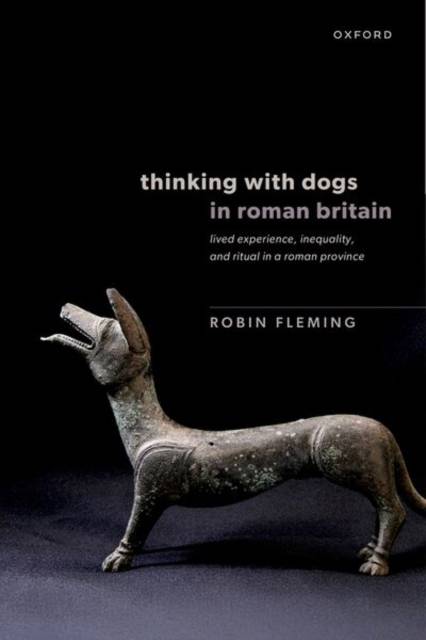
Thinking with Dogs in Roman Britain
Lived Experience, Inequality, and Ritual in a Roman Province
Robin Fleming
Hardcover | Engels
€ 47,45
+ 94 punten
Omschrijving
Thinking with Dogs in Roman Britain: Lived Experience, Inequality, and Ritual in a Roman Province argues that in Roman Britain, where little written evidence survives, some aspects of the past are more visible when we look not at people but instead focus on the dogs nipping at their heels. By examining the evidence of more than 1,700 Roman-period dogs preserved in structured deposits that Fleming suggests are the remnants of ritual acts, she provides a history of the relationships between canines and people living in a provincial context. The book begins by investigating the lives of real dogs in Britain under Rome, some of which were pampered working or personal animals, but many of which had hard lives and had to fend for themselves. It then explores how the period's authors used both pampered dogs and strays as metaphors, shedding light on issues of hierarchy, inequality, and enslavement. Finally it then turns to the widespread use of dogs as a material of religion, investigating their role as sacrificial animals and ritual agents, first in temple and shrine rituals and then in everyday household religion. Fleming concludes by asking what dogs did for ritual and what they can tell us about the making of Roman provincial culture.
Specificaties
Betrokkenen
- Auteur(s):
- Uitgeverij:
Inhoud
- Aantal bladzijden:
- 304
- Taal:
- Engels
Eigenschappen
- Productcode (EAN):
- 9780198938941
- Verschijningsdatum:
- 26/06/2026
- Uitvoering:
- Hardcover
- Formaat:
- Genaaid
- Afmetingen:
- 164 mm x 240 mm
- Gewicht:
- 658 g


Alleen bij Standaard Boekhandel
+ 94 punten op je klantenkaart van Standaard Boekhandel
CADEAU

AANGERADEN


Beoordelingen
We publiceren alleen reviews die voldoen aan de voorwaarden voor reviews. Bekijk onze voorwaarden voor reviews.