


- Afhalen na 1 uur in een winkel met voorraad
- Gratis thuislevering in België vanaf € 30
- Ruim aanbod met 7 miljoen producten
- Afhalen na 1 uur in een winkel met voorraad
- Gratis thuislevering in België vanaf € 30
- Ruim aanbod met 7 miljoen producten





Omschrijving
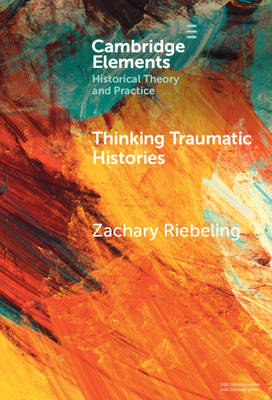
This Element investigates the challenges and possibilities of writing histories of trauma. Interpreting trauma as not only an event but also as an analytical framework and an apparatus for working on suffering, it explores how the historiography of trauma intersects with pressing matters of postcolonialism, historical subjectivity, and modernity. It is designed to illuminate the pressing theoretical matters that histories of trauma touch upon, whether explicitly or implicitly. Drawing from histories of trauma as well as foundational theoretical work in literary studies and memory studies, it argues that thinking traumatic histories requires a commitment on the part of historians to theoretical self-reflexivity, to querying not just the past or the archive for the traces of trauma, but the concept itself in its historical and historiographical modulations.
Specificaties
Betrokkenen
- Auteur(s):
- Uitgeverij:
Inhoud
- Aantal bladzijden:
- 66
- Taal:
- Engels
- Reeks:
Eigenschappen
- Productcode (EAN):
- 9781009496179
- Verschijningsdatum:
- 28/05/2026
- Uitvoering:
- Hardcover
- Formaat:
- Genaaid
- Afmetingen:
- 152 mm x 229 mm
- Gewicht:
- 263 g


Alleen bij Standaard Boekhandel
+ 158 punten op je klantenkaart van Standaard Boekhandel
Cadeau

AANGERADEN


Beoordelingen
We publiceren alleen reviews die voldoen aan de voorwaarden voor reviews. Bekijk onze voorwaarden voor reviews.