


- Afhalen na 1 uur in een winkel met voorraad
- Gratis thuislevering in België vanaf € 30
- Ruim aanbod met 7 miljoen producten
- Afhalen na 1 uur in een winkel met voorraad
- Gratis thuislevering in België vanaf € 30
- Ruim aanbod met 7 miljoen producten





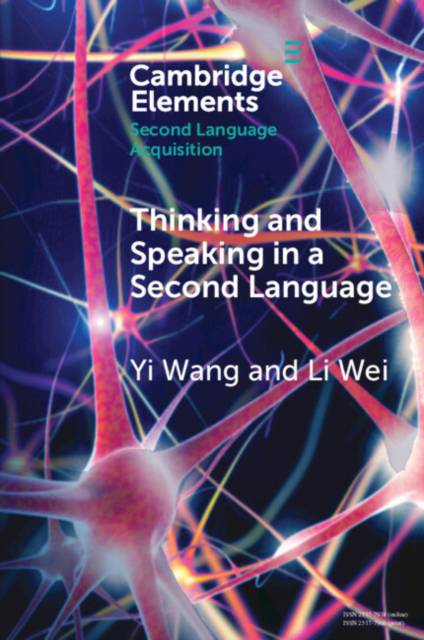
Omschrijving
Does the language we speak affect the way we think? This Element provides a synthesis of contemporary research on the interplay between language and cognition in speakers of two or more languages and examines variables deemed to impact bilingual acquisition and conceptualization of language-specific thinking patterns during L2 learning. An overview of different yet interrelated studies is offered across a variety of conceptual domains to illustrate different approaches and key variables. The comparison of monolingual and bilingual data demonstrates the highly integrative nature between L2 learning and the changing of one's entire cognitive outlook in L2 speakers. This Element makes relevant connections between language learning and bilingual cognition, aiming to shed new light on how learners acquire conceptual distinctions of the target language(s). It also raises theoretical and pedagogical issues that encourage teachers to reflect upon how to incorporate recent advances in language-and-cognition research with aspects of L2 teaching.
Specificaties
Betrokkenen
- Auteur(s):
- Uitgeverij:
Inhoud
- Aantal bladzijden:
- 86
- Taal:
- Engels
- Reeks:
Eigenschappen
- Productcode (EAN):
- 9781009074841
- Verschijningsdatum:
- 23/06/2022
- Uitvoering:
- Paperback
- Formaat:
- Trade paperback (VS)
- Afmetingen:
- 152 mm x 229 mm
- Gewicht:
- 127 g


Alleen bij Standaard Boekhandel
+ 72 punten op je klantenkaart van Standaard Boekhandel
Cadeau

AANGERADEN


Beoordelingen
We publiceren alleen reviews die voldoen aan de voorwaarden voor reviews. Bekijk onze voorwaarden voor reviews.