


- Afhalen na 1 uur in een winkel met voorraad
- Gratis thuislevering in België vanaf € 30
- Ruim aanbod met 7 miljoen producten
- Afhalen na 1 uur in een winkel met voorraad
- Gratis thuislevering in België vanaf € 30
- Ruim aanbod met 7 miljoen producten





€ 83,95
+ 167 punten
Uitvoering
Omschrijving
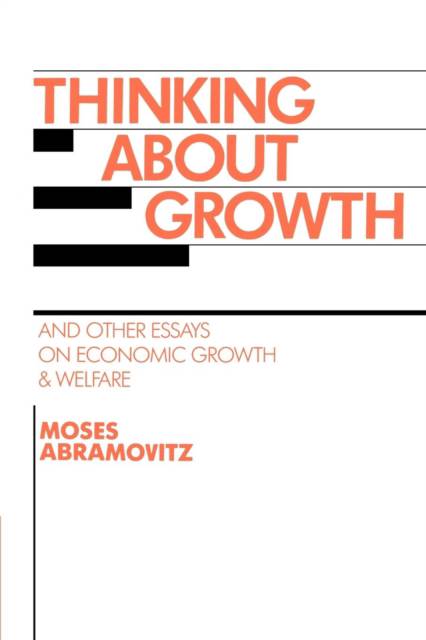
The essays in this book explore the forces behind modern economic growth and, in particular, the causes of the extraordinary surge of growth since the Second World War. The introductory essay is an extended treatment of the current views of economists on the growth process and its causes. Other essays consider the contributions of capital formation, education, and the changing character of industries and occupations. These essays disclose the central role of technological progress, take up the relations of science, technology, and business, and discuss the conditions that make for investment in research and the widespread exploitation of new knowledge. They show how Japan and Europe had an unusual opportunity after the war to advance rapidly by following in paths of technology and industrial organization pursued earlier by the United States, and how a remarkable set of circumstances and policies governing trade, investment, population migration, and money worked together to sustain rapid and concerted growth for many years.
Specificaties
Betrokkenen
- Auteur(s):
- Uitgeverij:
Inhoud
- Aantal bladzijden:
- 396
- Taal:
- Engels
- Reeks:
Eigenschappen
- Productcode (EAN):
- 9780521407748
- Verschijningsdatum:
- 26/04/1991
- Uitvoering:
- Paperback
- Formaat:
- Trade paperback (VS)
- Afmetingen:
- 154 mm x 230 mm
- Gewicht:
- 544 g


Alleen bij Standaard Boekhandel
+ 167 punten op je klantenkaart van Standaard Boekhandel
Cadeau

AANGERADEN


Beoordelingen
We publiceren alleen reviews die voldoen aan de voorwaarden voor reviews. Bekijk onze voorwaarden voor reviews.