


- Afhalen na 1 uur in een winkel met voorraad
- Gratis thuislevering in België vanaf € 30
- Ruim aanbod met 7 miljoen producten
- Afhalen na 1 uur in een winkel met voorraad
- Gratis thuislevering in België vanaf € 30
- Ruim aanbod met 7 miljoen producten





€ 16,71
+ 16 punten
Uitvoering
Omschrijving
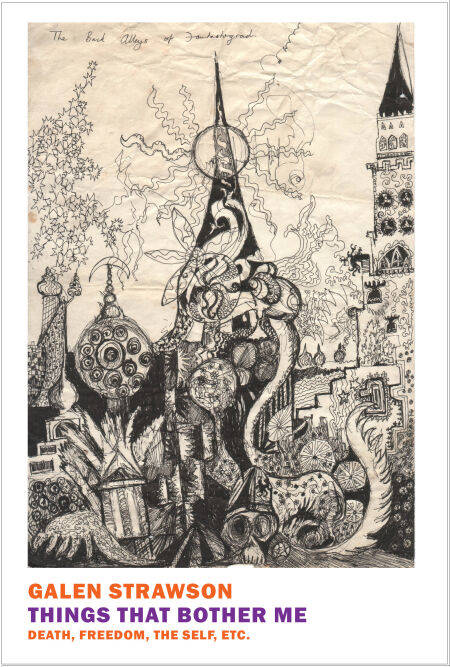
An original collection of lauded philosopher Galen Strawson's writings on the self and consciousness, naturalism and pan-psychism.
Galen Strawson might be described as the Montaigne of modern philosophers, endlessly curious, enormously erudite, unafraid of strange, difficult, and provocative propositions, and able to describe them clearly—in other words, he is a true essayist. Strawson also shares with Montaigne a particular fascination with the elastic and elusive nature of the self and of consciousness. Of the essays collected here, “A Fallacy of Our Age” (an inspiration for Vendela Vida’s novel Let the Northern Lights Erase Your Name) takes issue with the commencement-address cliché that life is a story. Strawson questions whether it is desirable or even meaningful to think about life that way. “The Sense of the Self” offers an alternative account, in part personal, of how a distinct sense of self is not at all incompatible with a sense of the self as discontinuous, leading Strawson to a position that he sees as in some ways Buddhist. “Real Naturalism” argues that a fully naturalist account of consciousness supports a belief in the immanence of consciousness in nature as a whole (also known as panpsychism), while in the final essay Strawson offers a vivid account of coming of age in the 1960s.
Drawing on literature and life as much as on philosophy, this is a book that prompts both argument and wonder.
Galen Strawson might be described as the Montaigne of modern philosophers, endlessly curious, enormously erudite, unafraid of strange, difficult, and provocative propositions, and able to describe them clearly—in other words, he is a true essayist. Strawson also shares with Montaigne a particular fascination with the elastic and elusive nature of the self and of consciousness. Of the essays collected here, “A Fallacy of Our Age” (an inspiration for Vendela Vida’s novel Let the Northern Lights Erase Your Name) takes issue with the commencement-address cliché that life is a story. Strawson questions whether it is desirable or even meaningful to think about life that way. “The Sense of the Self” offers an alternative account, in part personal, of how a distinct sense of self is not at all incompatible with a sense of the self as discontinuous, leading Strawson to a position that he sees as in some ways Buddhist. “Real Naturalism” argues that a fully naturalist account of consciousness supports a belief in the immanence of consciousness in nature as a whole (also known as panpsychism), while in the final essay Strawson offers a vivid account of coming of age in the 1960s.
Drawing on literature and life as much as on philosophy, this is a book that prompts both argument and wonder.
Specificaties
Betrokkenen
- Auteur(s):
- Uitgeverij:
Inhoud
- Aantal bladzijden:
- 240
- Taal:
- Engels
Eigenschappen
- Productcode (EAN):
- 9781681372211
- Verschijningsdatum:
- 12/03/2018
- Uitvoering:
- E-book
- Beveiligd met:
- Adobe DRM
- Formaat:
- ePub


Alleen bij Standaard Boekhandel
+ 16 punten op je klantenkaart van Standaard Boekhandel
Cadeau

AANGERADEN


Beoordelingen
We publiceren alleen reviews die voldoen aan de voorwaarden voor reviews. Bekijk onze voorwaarden voor reviews.