


- Afhalen na 1 uur in een winkel met voorraad
- Gratis thuislevering in België vanaf € 30
- Ruim aanbod met 7 miljoen producten
- Afhalen na 1 uur in een winkel met voorraad
- Gratis thuislevering in België vanaf € 30
- Ruim aanbod met 7 miljoen producten






€ 13,95
+ 27 punten
Uitvoering
Prijzen

Omschrijving
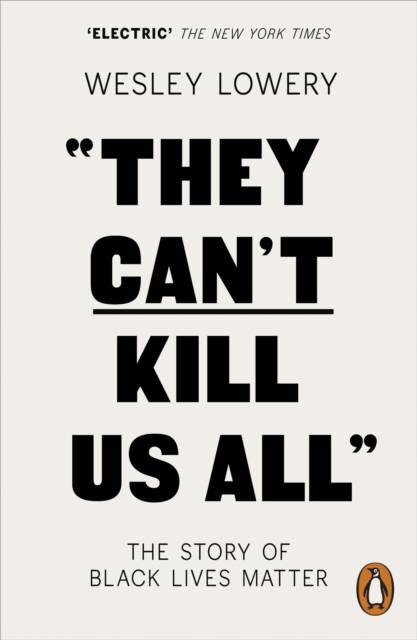
In over a year of on-the-ground reportage, Washington Post writer Wesley Lowery traveled across the US to uncover life inside the most heavily policed, if otherwise neglected, corners of America today. In an effort to grasp the scale of the response to Michael Brown's death and understand the magnitude of the problem police violence represents, Lowery conducted hundreds of interviews with the families of victims of police brutality, as well as with local activists working to stop it. Lowery investigates the cumulative effect of decades of racially biased policing in segregated neighborhoods with constant discrimination, failing schools, crumbling infrastructure and too few jobs. Offering a historically informed look at the standoff between the police and those they are sworn to protect, They Can't Kill Us All demonstrates that civil unrest is just one tool of resistance in the broader struggle for justice. And at the end of President Obama's tenure, it grapples with a worrying and largely unexamined aspect of his legacy: the failure to deliver tangible security and opportunity to the marginalised Americans most in need of it.
Specificaties
Betrokkenen
- Auteur(s):
- Uitgeverij:
Inhoud
- Aantal bladzijden:
- 256
- Taal:
- Engels
Eigenschappen
- Productcode (EAN):
- 9780141986142
- Verschijningsdatum:
- 31/01/2017
- Uitvoering:
- Paperback
- Afmetingen:
- 129 mm x 198 mm
- Gewicht:
- 194 g


Alleen bij Standaard Boekhandel
+ 27 punten op je klantenkaart van Standaard Boekhandel
Cadeau

AANGERADEN


Beoordelingen
We publiceren alleen reviews die voldoen aan de voorwaarden voor reviews. Bekijk onze voorwaarden voor reviews.