


- Afhalen na 1 uur in een winkel met voorraad
- Gratis thuislevering in België vanaf € 30
- Ruim aanbod met 7 miljoen producten
- Afhalen na 1 uur in een winkel met voorraad
- Gratis thuislevering in België vanaf € 30
- Ruim aanbod met 7 miljoen producten





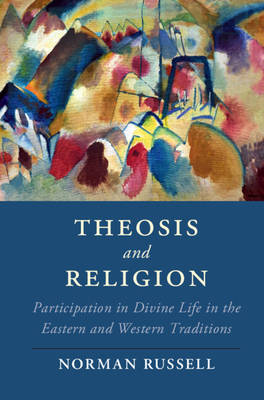
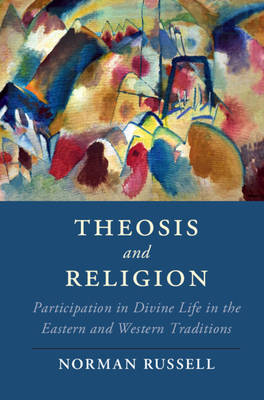
Theosis and Religion
Participation in Divine Life in the Eastern and Western Traditions
Norman Russell
€ 44,95
+ 89 punten
Uitvoering
Omschrijving
Theosis, originally a Greek term for Christian divinisation or deification, has become a vogue word in modern theology. Although recent publications have explored its meaning in a selection of different contexts, this is the first book to offer a coherent narrative of how the concept of theosis developed in both its Eastern and Western versions. Norman Russell shows how the role of Dionysius the Areopagite was pivotal, not only in Byzantium but also in the late mediaeval West, where it strengthened the turn towards an individualistic interiority. Russell also relates theosis to changing concepts of religion in the modern age. He investigates the Russian version of theosis, introduced in the West by Russian members the Paris School after the 1917 Revolution. Since then, theosis has undergone additional development through the addition of esoteric elements which have since passed into the mainstream of all theological traditions and even into popular spirituality.
Specificaties
Betrokkenen
- Auteur(s):
- Uitgeverij:
Inhoud
- Aantal bladzijden:
- 250
- Taal:
- Engels
- Reeks:
Eigenschappen
- Productcode (EAN):
- 9781108406338
- Verschijningsdatum:
- 14/03/2024
- Uitvoering:
- Paperback
- Formaat:
- Trade paperback (VS)
- Afmetingen:
- 152 mm x 229 mm
- Gewicht:
- 340 g


Alleen bij Standaard Boekhandel
+ 89 punten op je klantenkaart van Standaard Boekhandel
Cadeau

AANGERADEN


Beoordelingen
We publiceren alleen reviews die voldoen aan de voorwaarden voor reviews. Bekijk onze voorwaarden voor reviews.