



- Afhalen na 1 uur in een winkel met voorraad
- In januari gratis thuislevering in België
- Ruim aanbod met 7 miljoen producten
- Afhalen na 1 uur in een winkel met voorraad
- In januari gratis thuislevering in België
- Ruim aanbod met 7 miljoen producten





€ 165,95
+ 331 punten
Omschrijving
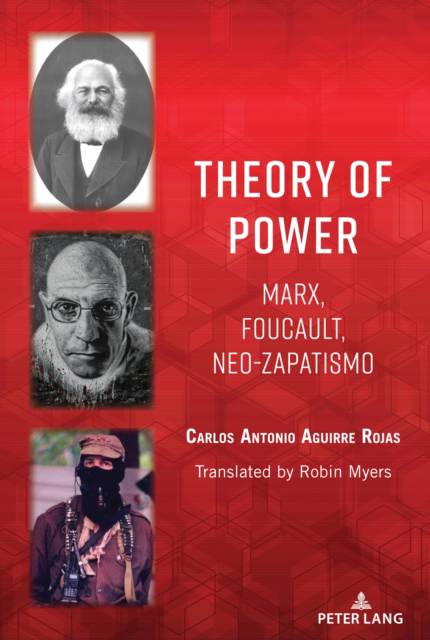
The subject of power (singular) and multiple social powers (plural) is unquestionably central to contemporary societies all over the globe. Growing stronger and expanding farther all the time, the world's anti-systemic movements have been forced to address this issue--the nature of power and powers--as among their most pressing debates. In the process, these movements have also been forced to consider the best possible strategy for confronting them. Should they seize political power, even if they run the risk of simply reproducing it? Should they destroy it altogether? Is it enough to destroy political power while economic, ideological, military, and religious powers remain untouched? And what is the most effective anti-capitalist and anti-systemic way to confront, defeat, and overcome the many different powers found in all present-day societies on Earth? To answer such questions, among others, this book discusses the rich, complex contributions of Karl Marx, Michel Foucault, and neo-Zapatismo to a complicated and essential subject: the theory of power.
Specificaties
Betrokkenen
- Auteur(s):
- Vertaler(s):
- Uitgeverij:
Inhoud
- Aantal bladzijden:
- 138
- Taal:
- Engels
Eigenschappen
- Productcode (EAN):
- 9781433187339
- Verschijningsdatum:
- 27/07/2021
- Uitvoering:
- Hardcover
- Formaat:
- Genaaid
- Afmetingen:
- 152 mm x 229 mm
- Gewicht:
- 367 g


Alleen bij Standaard Boekhandel
+ 331 punten op je klantenkaart van Standaard Boekhandel
Cadeau

AANGERADEN


Beoordelingen
We publiceren alleen reviews die voldoen aan de voorwaarden voor reviews. Bekijk onze voorwaarden voor reviews.