


- Afhalen na 1 uur in een winkel met voorraad
- Gratis thuislevering in België vanaf € 30
- Ruim aanbod met 7 miljoen producten
- Afhalen na 1 uur in een winkel met voorraad
- Gratis thuislevering in België vanaf € 30
- Ruim aanbod met 7 miljoen producten





€ 95,40
+ 190 punten
Omschrijving
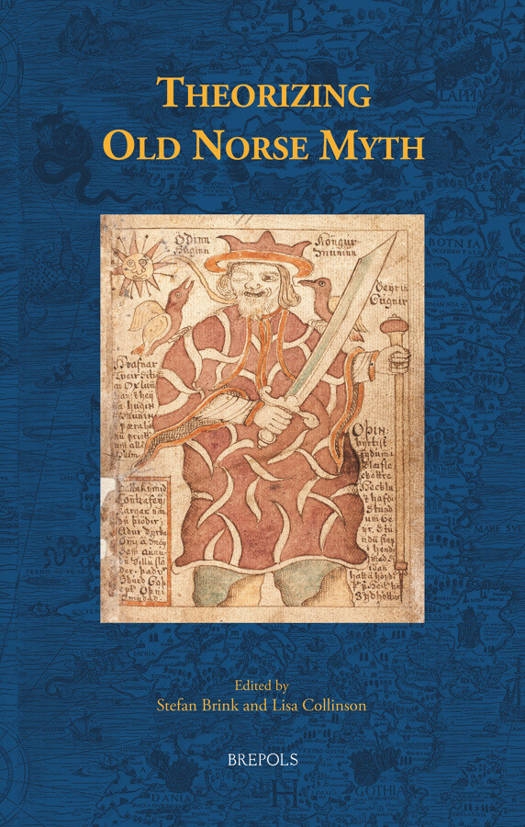
This collection explores the theoretical and methodological foundations through which we understand Old Norse myths and the mythological world, and the medieval sources in which we find expressions of these. Some contributions take a broad, comparative perspective; some address specific details of Old Norse myths and mythology; and some devote their attention to questions concerning either individual gods and deities, or more topographical and spatial matters (such as conceptions of pagan cult sites). The elements discussed provide an introductory and general overview of scholarly enquiry into myth and ritual, as well as an attempt to define myth and theory for Old Norse scholarship. The articles also offer a rehabilitation of the comparative method alongside a discussion of the concept of 'cultural memory' and of the cognitive functions that myths may have performed in early Scandinavian society. Particular subjects of interest include analyses of the enigmatic god Heimdallr, the more well-known Oðinn, the deities, the female asynjur, and the 'elves' or alfar. Text-based discussions are set alongside recent archaeological discoveries of cult buildings and cult sites in Scandinavia, together with a discussion of the most enigmatic site of all: Uppsala in Sweden. The key themes discussed throughout this volume are brought together in the concluding chapter, in a comprehensive summary that sheds new light on current scholarly perspectives.
Specificaties
Betrokkenen
- Auteur(s):
- Uitgeverij:
Inhoud
- Aantal bladzijden:
- 285
- Taal:
- Engels
- Reeks:
- Reeksnummer:
- nr. 7
Eigenschappen
- Productcode (EAN):
- 9782503553030
- Verschijningsdatum:
- 31/01/2018
- Uitvoering:
- Hardcover
- Formaat:
- Genaaid
- Afmetingen:
- 163 mm x 239 mm
- Gewicht:
- 612 g


Alleen bij Standaard Boekhandel
+ 190 punten op je klantenkaart van Standaard Boekhandel
Cadeau

AANGERADEN


Beoordelingen
We publiceren alleen reviews die voldoen aan de voorwaarden voor reviews. Bekijk onze voorwaarden voor reviews.