



Bedankt voor het vertrouwen het afgelopen jaar! Om jou te bedanken bieden we GRATIS verzending (in België) aan op alles gedurende de hele maand januari.
- Afhalen na 1 uur in een winkel met voorraad
- In januari gratis thuislevering in België
- Ruim aanbod met 7 miljoen producten
Bedankt voor het vertrouwen het afgelopen jaar! Om jou te bedanken bieden we GRATIS verzending (in België) aan op alles gedurende de hele maand januari.
- Afhalen na 1 uur in een winkel met voorraad
- In januari gratis thuislevering in België
- Ruim aanbod met 7 miljoen producten





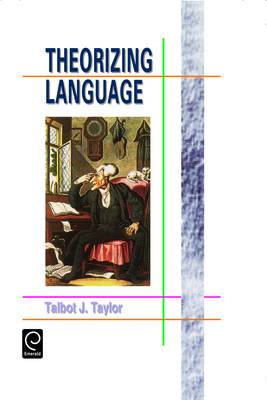
Theorizing Language
Analysis, Normativity, Rhetoric, History
Talbot J Taylor, Taylor T J Taylor
Hardcover | Engels
€ 146,95
+ 293 punten
Omschrijving
Although what language users in different cultures say about their own language has long been recognized as of potential interest, its theoretical importance to the study of language has typically been thought to be no more than peripheral. "Theorizing Language" is the first book to place the reflexive character of language at the very centre both of its empirical study and of its theoretical explanation. Language can only be explained as a cultural product of the reflexive application of its own creative powers to construct, regulate, and give conceptual form to objects of understanding. Language is itself, first and foremost, an object of cultural understanding. Theoretical analyses of language which have neglected its reflexive character, or simply taken its effects for granted, merely impose their own artificial structures on their analytical object. The first part of this book discusses the consequences of neglecting this reflexive character for the technical concepts and methods which are used in analysing different types of communicational phenomena. In the second part, normativity - a crucial aspect of language's reflexive nature - is examined. The book's third and final part focuses on particular issues in the history of linguistic thought which bear witness to the rhetoric of language theorizing as a reflexive form of inquiry.
Specificaties
Betrokkenen
- Auteur(s):
- Uitgeverij:
Inhoud
- Aantal bladzijden:
- 284
- Taal:
- Engels
Eigenschappen
- Productcode (EAN):
- 9780080425771
- Verschijningsdatum:
- 5/11/1997
- Uitvoering:
- Hardcover
- Formaat:
- Genaaid
- Afmetingen:
- 156 mm x 234 mm
- Gewicht:
- 576 g


Alleen bij Standaard Boekhandel
+ 293 punten op je klantenkaart van Standaard Boekhandel
SOLDEN


Beoordelingen
We publiceren alleen reviews die voldoen aan de voorwaarden voor reviews. Bekijk onze voorwaarden voor reviews.